
banner

業界ニュース

ホーム /ニュース /業界ニュース /

20 Must-Ask Questions Before Quoting an Overseas Steel Structure Project

新製品

20 Must-Ask Questions Before Quoting an Overseas Steel Structure Project

2026-05-22

Quoting for overseas steel structure projects cannot be simply based on "price per ton." Many projects, while seemingly involving steel structure supply, actually involve a whole host of risks, including design standards, detailed specifications, processing, painting, packaging, shipping, customs clearance, installation, acceptance, payment, exchange rates, and claims. If key information isn't clearly confirmed before quoting, problems can easily arise: omissions in drawings, misunderstandings of standards, underestimation of corrosion and fire protection costs, non-compliant shipping packaging, incomplete customs clearance documents, severely underestimated on-site installation costs, excessively long payment cycles, and inability to claim compensation for later changes, ultimately leading to "winning the bid with a low price but incurring losses with a high price."

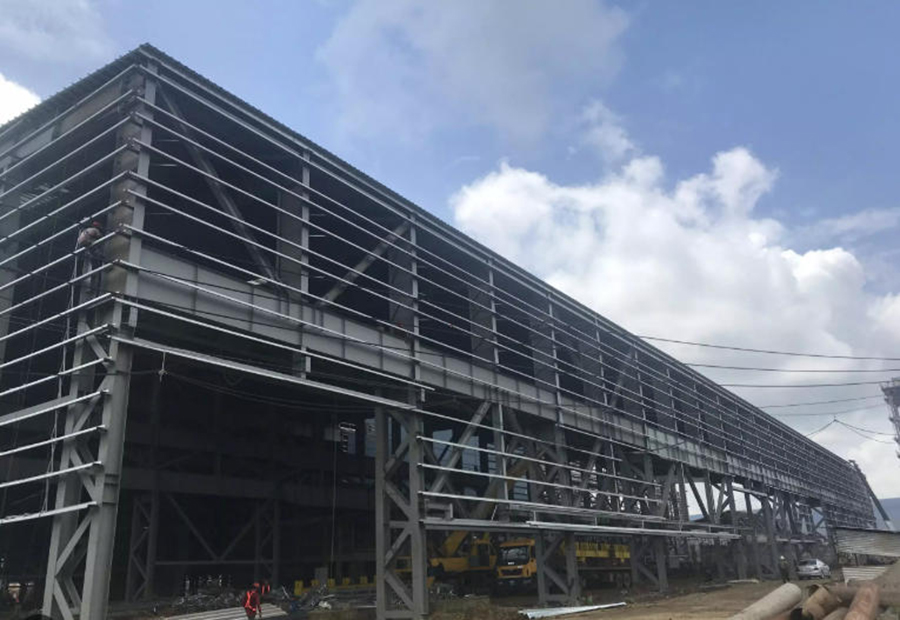
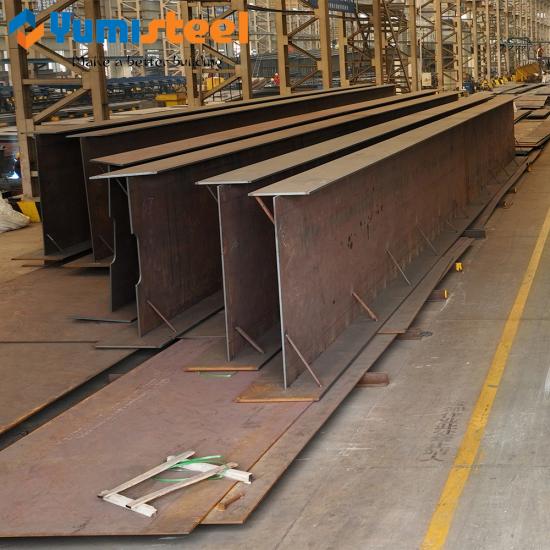
Prefabricated steel project

The following 20 questions are core issues that must be confirmed before quoting for overseas steel structure projects.

1. What is the country and specific location of the project?

Country and city, distance from the port, remoteness/desert/mountainous/island, road conditions suitable for transporting large components, and any special security/religious/climatic restrictions.

2. Who are the owner, general contractor, and payer? 

Who is the final owner, general contractor, and payer? Is it directly to the owner or a subcontractor? Is it a government/private/Chinese-funded project? What is the payment reputation? Be wary of inquiries from intermediaries.

3. What exactly is included in the quotation scope?

Clearly define whether it includes: design, detailing, materials, processing, painting, pre-assembly, packaging, domestic transportation, customs declaration, sea freight, customs clearance, local transportation, unloading, installation, cranes, bolts, roofing and wall finishing, fire-retardant coatings, and as-built documentation. Be sure to specify both Included Scope and Excluded Scope.

4. Are the drawings complete? Are they sufficiently detailed?

Review whether architectural drawings, structural drawings, detail drawings, foundation drawings, load data, and design specifications are included. The less complete the drawings, the higher the risk of a quote.

5. Which design standard system is used?

Confirm whether GB, AISC, EN, BS, AS/NZS, or local standards are used. Different standards affect materials, safety factors, welding, bolts, tolerances, inspection ratios, painting, and fire protection requirements.

6. What are the steel material specifications and standards?

Confirm the grade (Q235/Q355, S275/S355, A36, A572, SS400, etc.), whether equivalent Chinese substitutes are allowed, and whether a certificate of origin, third-party testing, or CE/UL/FM certification is required.

7. Is the steel structure weight settled based on theoretical or actual quantity?

Confirm whether it's based on theoretical weight, the processing list, or the actual weight, and whether it includes connecting plates, stiffening plates, bolts, paint, purlins, and embedded parts. It's recommended to clearly state that it's settled based on theoretical weight.

8. Is detailed design required? Who is responsible for detailed design?

Confirm who creates the shop drawings, whether Tekla/BIM is used, who approves them, the approval cycle, and how changes are priced. Unclear details will lead to comprehensive impacts on details, quantities, transportation, and installation.

9. What is the anti-corrosion coating system?

Confirm the following: Corrosive environment (C2–CX), surface treatment (Sa2.5/Sa3), primer/intermediate/topcoat type, dry film thickness, brand specification, third-party testing, salt spray test, and on-site touch-up.

10. Is fire-retardant coating required?

Confirm fire retardancy, fire resistance rating (30–180 minutes), intumescent or non-intumescent type, indoor/outdoor application, certification requirements (UL/BS/EN), factory or on-site application, and who is responsible for acceptance testing.

11. What are the requirements for welding and non-destructive testing?

Confirm the standards (AWS/ISO/EN/GB), whether WPS/PQR is required, welder qualifications, weld grade, UT/MT/PT/RT testing ratio, third-party testing responsibility, and rework responsibility.

12. What are the requirements for bolts, anchors, and connectors? 

Confirm: Ordinary/High Strength, Grade (8.8/10.9/A325/A490), Friction/Bearing Type, Hot-Dip Galvanizing, Torque Testing, Anchor Bolts, Chemical Anchors, Specified Brand, On-Site Loss Rate.

13. Are the Component Dimensions Suitable for Transportation?

Confirm: Maximum Length/Width/Height, Single Component Weight, Container Load Capability, Requirement for Bulk Cargo Ship/Frame Container/Open Top Container, Destination Port Accepts Oversized Cargo, On-Site Roads Allow for Oversized/Overweight/Overweight Components.

14. What are the Packaging Requirements?

Confirm: Bare Packaging or Export Packaging, Steel Pallets/Wooden Crates, Fumigation of Wooden Crates, Moisture-Proof, Rust-Proof, Collision-Proof, Small Component Classification and Numbering, Separate Packaging of Bolts, Bilingual (Chinese and English) List, Consistent Component Numbers, Shipping Marks.

15. What Trade Terms are Used? FOB, CIF, DAP, or DDP?

Confirm: EXW/FOB/CIF/CFR/DAP/DDP. DDP/DAP involves handling customs clearance, tariffs, VAT, local transportation, demurrage fees, document risks, and on-site coordination. Newcomers should exercise caution when quoting this.

16. Are the delivery and project timeline requirements reasonable?

Breakdown: Design approval, material procurement, processing, painting, pre-assembly, packaging, domestic transportation, customs declaration, sea freight, customs clearance, local transportation, and installation. It is recommended to specify that the delivery date is calculated from receipt of the advance payment, drawing approval, and completion of clarifications.

17. Does on-site installation include?

If included: unloading, storage yard, secondary handling, cranes, aerial work platforms, scaffolding, temporary power, accommodation, visas, permits, safety training, HSE, and acceptance. Confirm whether Chinese workers are permitted, the proportion of local workers, and whether a locally registered company is required.

18. What are the requirements for quality acceptance and third-party inspection?

Confirm the inspection agency (SGS/BV/TUV/Intertek), who bears the cost, inspection milestones (materials/welding/painting/pre-assembly/container loading/installation), and who bears the cost of corrective action for non-conformities.

19. Is the payment term secure?

Confirm the prepayment percentage, prepayment guarantee, performance bond, warranty deposit, warranty period, letter of credit, back-to-back payments, and overdue interest. Secure method: prepayment + payment of the majority of the payment before shipment.

20. Are the exchange rate, taxes, change order, and claims mechanisms clear?

Confirm the quoted currency, exchange rate locking method, whether material/sea freight is adjustable, how design changes are priced, pricing for increased work volume, compensation for on-site waiting, liability for delays, force majeure, applicable law, and arbitration location. Include Validity, Exclusion, Assumption, Variation, Force Majeure, Payment Terms, and Delivery Terms in the quotation.

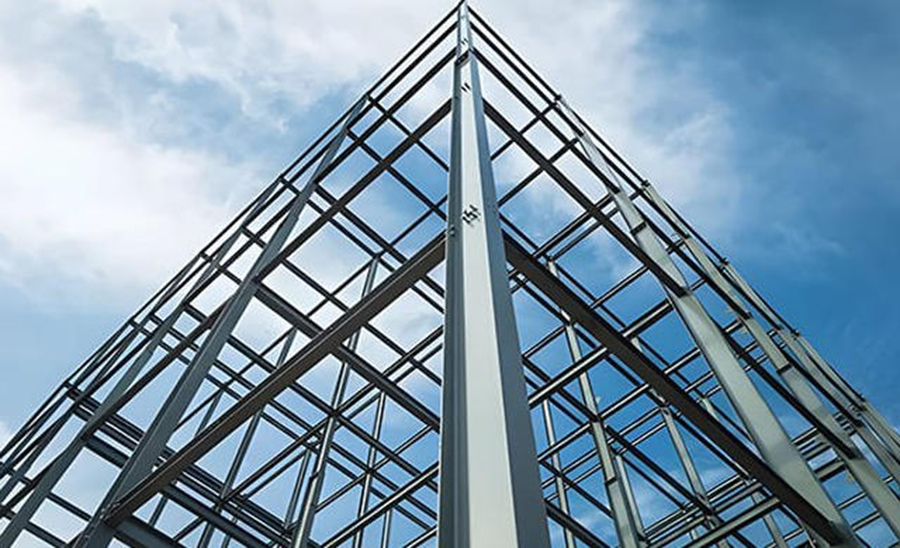
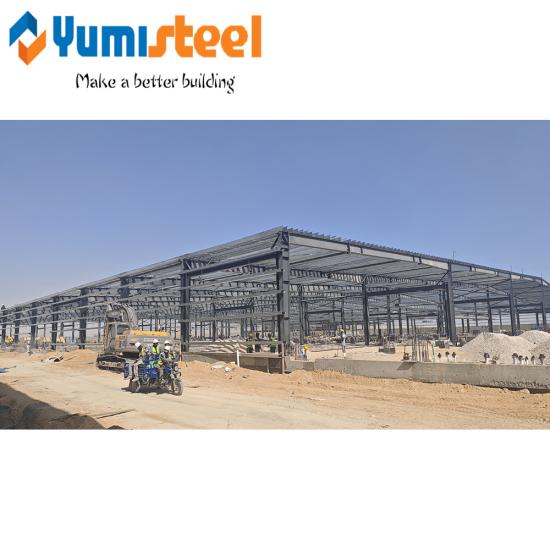
Prefab steel structure

In conclusion, for overseas steel structure projects, do not simply ask "how many tons, how much per ton". A truly professional quote must first confirm: standards, scope, drawings, materials, coatings, fireproofing, transportation, installation, acceptance, payment, and risk boundaries. Only by clarifying these 20 issues can a quote avoid becoming a gamble.

For overseas projects, a quote is not simply a price calculation, but a comprehensive assessment of technical, commercial, logistical, construction, and risk aspects.

For more information needed or any inquiry,please feel free to contact Yumisteel team.

伝言を残す
当社の製品に興味があり、詳細を知りたい場合は、ここにメッセージを残してください、できるだけ早く返信します。

建築および土木工事の先駆者

33

積年の経験

 
伝言を残す 伝言を残す
当社の製品に興味があり、詳細を知りたい場合は、ここにメッセージを残してください、できるだけ早く返信します。