
banner

産業ブログ

ホーム /

産業ブログ

/

Corrugated Steel Sheet VS Sandwich Panels

Corrugated Steel Sheet VS Sandwich Panels

03 Sep 2026


1. Historical Evolution

Corrugated steel sheets emerged in the early 19th century as a practical roofing solution for industrial buildings. Their simple roll-formed design made them affordable and widely available, quickly becoming the standard for warehouses, factories, and agricultural structures worldwide.

Sandwich panels are a relatively modern innovation, gaining prominence in the 1960s and 1970s with advances in polyurethane foam technology. The concept of bonding insulating foam between two metal facings revolutionized building envelopes by combining structure, insulation, and finish into one factory-produced component. Today's four-edge grooved panels represent the latest evolution, offering near-curtain-wall aesthetics and superior thermal performance.

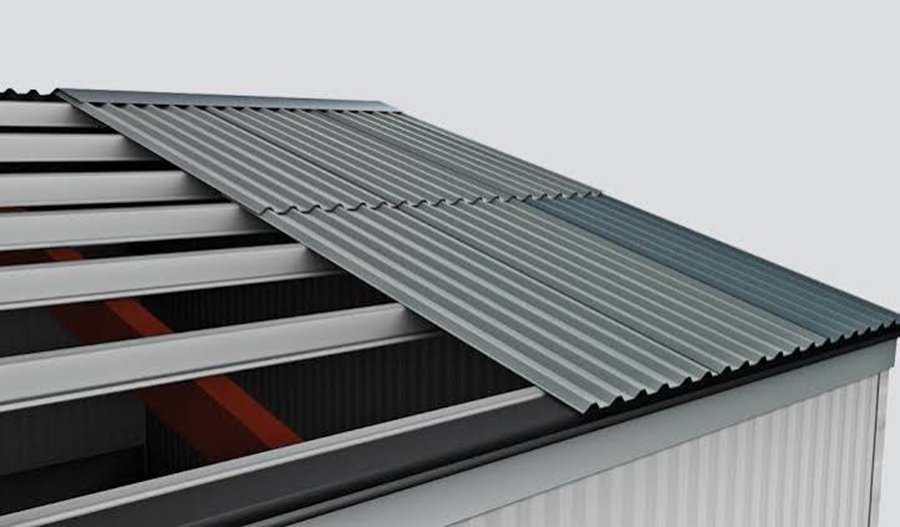
Roofing sheet


2. Structural Composition


Aspect

Corrugated Steel Sheet

Sandwich Panel

Core

None, single layer of steel

Rigid foam (EPS, PU/PIR) or rock wool

Facings

Galvanized or color-coated steel

Same, plus premium finishes available

Joint Type

Simple overlapping or standing seam

Four-sided tongue-and-groove interlocking

Integrated Sealing

No,requires separate sealant application

Yes,pre-installed sealing strips on all edges

Structural Action

Single-layer cold-formed steel

Composite action between facings and core

Corrugated steel sheets are essentially single-skin metal panels with no inherent insulation. Their strength comes solely from the ribbed profile created during roll-forming. Sandwich panels, by contrast, achieve composite action,the metal facings and foam core work together, significantly enhancing overall stiffness and load distribution.


3. Installation Sequence Comparison


Corrugated Steel Sheet System (Multi-Layer):

Layout and dimensioning

Marking reference lines on supporting structure

Inner liner sheet installation (if specified)

Insulation layer placement – rigid boards or blanket insulation between purlins

Outer sheet installation – fixed with exposed fasteners

The exposed fasteners (visible screw heads) are characteristic of corrugated sheet installation. Each screw penetration creates a potential leak path. Even with rubber washers, long-term weather exposure eventually degrades the sealing, leading to leakage risks. Installation is labor-intensive, with multiple trades required for each layer.

Sandwich Panel System (Single-Layer):

Layout and dimensioning

Marking reference lines on supporting structure

Direct panel installation – factory-assembled panels fixed to purlins using concealed fasteners

The tongue-and-groove male-female connection creates a hidden fastening system. Self-tapping screws are installed through the panel's female edge, concealed by the overlapping male edge of the next panel. This "dark screw" installation eliminates exposed fasteners, reducing leak paths and creating a cleaner appearance. Leak detection is simpler due to fewer potential entry points.

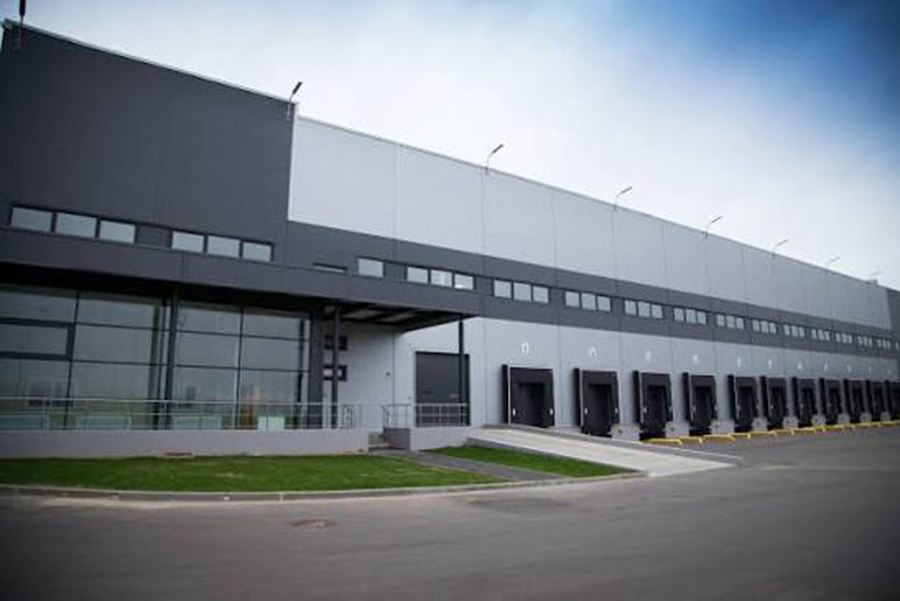
sandwich panels building


4.Construction Cycle Comparison


Parameter

Corrugated Steel Sheet

Sandwich Panel

Installation Stages

3–5 separate layers

1 single step

Labor Required

100 m² / 5 workers

100 m² / 2.5 workers

Productivity

Lower, fragmented process

Higher,integrated factory product

Weather Dependency

High, multiple layers exposed

Moderate,single-layer installation

The fragmented nature of corrugated sheet installation extends project timelines significantly. Each layer requires its own setup, quality checks, and coordination between trades. Sandwich panels, being factory-composite products, install in one continuous operation, cutting both labor requirements and construction duration by approximately 50%.

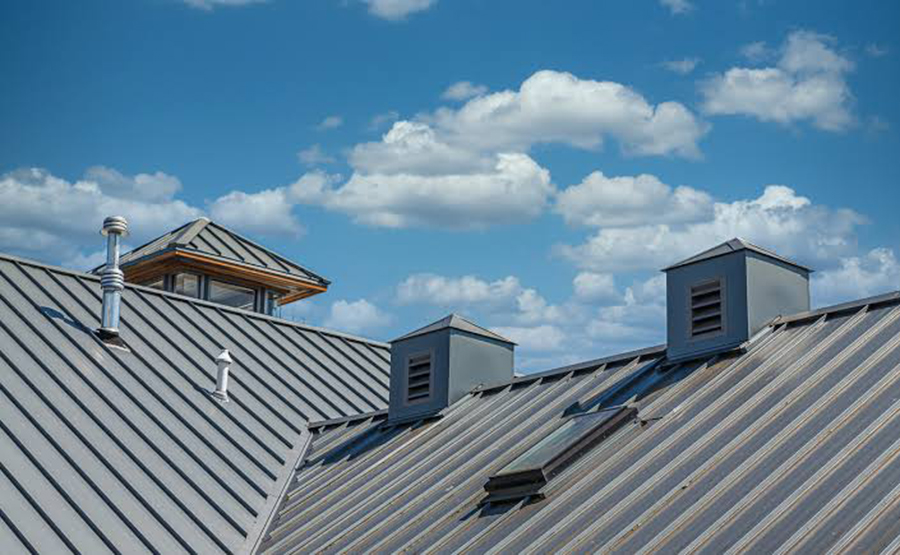
steel roofing


5. Maintenance Cycle Comparison


Building envelope maintenance encompasses four aspects: routine inspection, sealant renewal, surface condition monitoring, and comprehensive overhaul intervals.

Maintenance Aspect

Corrugated Steel Sheet

Sandwich Panel

Routine Inspection

Annually

Every 3 years

Sealant Renewal

Frequent,exposed sealants degrade quickly

Less frequent ,sealed grooves protect sealants

Surface Condition

Prone to dents and deformation

Better impact resistance

Major Overhaul Cycle

Shorter lifespan

Longer lifespan

Typical Maintenance Interval

~1 year

~3 years

Corrugated systems demand annual attention due to exposed fasteners and sealants deteriorating under UV exposure and thermal cycling. Sandwich panels, with concealed fasteners and protected sealing strips, maintain integrity for longer periods, significantly reducing maintenance costs over the building's life.


6. Strength and Thermal Performance Comparison


Corrugated Steel Sheets:

Weak bending resistance – limited spanning capacity

Without sufficient purlins, easily develops oil-canning deformations

Typical roof purlin spacing: ≤ 1.5m

Thin steel surfaces prone to impact dents and depressions

Almost zero vertical compression capacity

Single-layer splicing creates numerous seams and joints

Poor overall integrity

Lightweight construction – vulnerable to wind uplift on exposed edges

Multi-layer construction actually creates thermal bridging where fasteners and supports bypass insulation layers

Limited thermal efficiency without additional insulation

Sandwich Panels:

Strong bending resistance – core and facings work compositely

Overall stiffness dramatically enhanced

Roof purlin spacing can reach 2.5–4.0m

Steel facings + core buffer against impact – superior resistance to damage

EPS/PU/PIR/rock wool cores provide vertical compression capacity – suitable for load-bearing wall applications

Factory-composite panels maintain flat, stable surfaces

High overall stability – excellent resistance to wind uplift

Superior seismic performance in prefabricated construction

Thermal efficiency is intrinsic – the insulation core provides continuous thermal resistance with minimal bridging

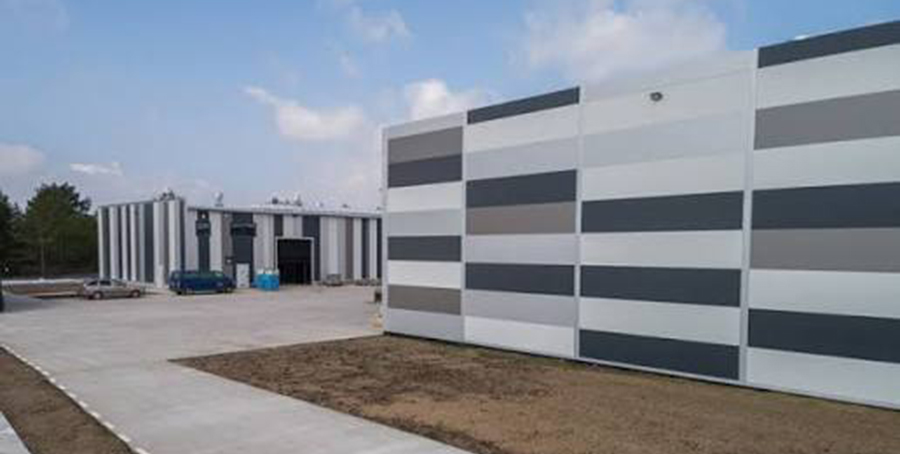
Wall sandwich panels building


7. Aesthetic and Decorative Comparison


Base Material Options – Both Systems:

Both corrugated sheets and sandwich panels offer similar base material choices:

Polyester (PE) color-coated steel

PVDF (fluorocarbon) coated steel

Comprehensive color range: off-white, navy blue, ivory white, charcoal gray, antique gray, and custom RAL colors

Corrugated Steel Sheets:

Limited to roll-formed corrugated profiles – cannot achieve flat surfaces

Decorative expression restricted to color and surface coatings

Primarily installed in vertical orientation

Visual quality depends heavily on installer skill

Perceived as utilitarian or "industrial" in appearance

Seams and exposed fasteners are visible

Sandwich Panels:

Extensive surface finish options:

Corrugated face (traditional)

Smooth flat face

Embossed / textured

Stone-effect laminate

Wood-grain laminate

Premium exterior options: aluminum-zinc alloy coating, stainless steel facings

Rich decorative material selection

Factory-controlled flatness and vertical alignment

Superior aesthetics – flush surfaces without trim strips

Four-edge grooved panels approach curtain-wall visual quality


8. Transportation and Storage Comparison


Factor

Corrugated Steel Sheet

Sandwich Panel

Transportation

Cost Low, compact, stackable

High,bulky, requires careful handling

Storage Requirements

Minimal, can be stored outdoors

Stringent,weather-protected storage needed

Handling Durability

Robust ,tolerates rough handling

Fragile,edge damage compromises performance

Storage Footprint

Small

Large

Inventory Strategy

Bulk stocking possible

Just-in-time delivery preferred

Protection Measures

Simple, basic covering

Complex,edge protectors, banding, weatherproof wrapping

Batch Shipment Volume

High

Limited

Rejection/Damage Loss

Low ,easily replaced or trimmed

High,damaged panels often require full replacement

Recommendation

Suitable for large-volume open-yard stocking

Use just-in-time delivery; minimize on-site storage

Corrugated steel sheets are forgiving in logistics. Their simple profile allows compact stacking and bulk transportation at low cost. They tolerate outdoor storage and basic protection measures, making them ideal for large-scale projects requiring material staging.

Sandwich panels, being finished products, demand meticulous handling. Edge damage can compromise tongue-and-groove fit and sealing. Factory edges are vulnerable and cannot be field-trimmed without losing the interlocking system. Storage requires covered, level areas with proper support to prevent bowing. Transportation volumes are limited due to panel size and fragility. The prudent strategy is just-in-time delivery with minimal on-site inventory to reduce damage risk and storage costs.

Corrugated Steel Sheet VS Sandwich Panels


Summary Comparison Table


Parameter

Corrugated Steel Sheet

Sandwich Panel

History

19th century – mature

1960s onward – modern

Composition

Single skin only

Composite with insulated core

Installation Layers

3–5 stages

1 stage

Labor per 100m²

5 workers

2.5 workers

Purlin Spacing

≤ 1.5m

2.5–4.0m

Maintenance Interval

~1 year

~3 years

Thermal Performance

Poor,requires separate insulation

Excellent, integrated

Structural Strength

Low – weak bending resistance

High – composite action

Wind Uplift Resistance

Vulnerable

Superior

Surface Finish Options

Limited, corrugated only

Extensive,flat, textured, wood/stone effect

Aesthetic Quality

Industrial, seams visible

Premium, flush, curtain-wall standard

Transportation Cost

Low

High

Storage Requirements

Simple, outdoor acceptable

Complex, weather-protected

Logistics Strategy

Bulk stocking

Just-in-time preferred

Corrugated steel sheets and sandwich panels serve distinctly different market segments. Corrugated sheets remain a cost-effective choice for basic industrial shelters, agricultural buildings, and as structural decking where insulation is installed separately. Their low cost, simple logistics, and wide availability make them practical for large-scale, budget-conscious projects.

Sandwich panels, while more expensive upfront, deliver superior performance across virtually every other metric—thermal efficiency, structural strength, installation speed, aesthetic quality, and long-term durability. For temperature-controlled environments, premium commercial buildings, and projects prioritizing energy efficiency and visual appeal, sandwich panels justify their higher investment through lower maintenance costs, faster construction programs, and better operational performance.

The choice ultimately depends on project priorities: structural flexibility and budget (corrugated systems) versus integrated performance and premium finish (sandwich panels). For architects and engineers specifying building envelopes, understanding these fundamental differences ensures the right material selection for each unique application.

For more information needed or any inquiry,please feel free to contact Yumisteel team.

ホットタグ :
伝言を残す
当社の製品に興味があり、詳細を知りたい場合は、ここにメッセージを残してください、できるだけ早く返信します。

建築および土木工事の先駆者

33

積年の経験

 
伝言を残す 伝言を残す
当社の製品に興味があり、詳細を知りたい場合は、ここにメッセージを残してください、できるだけ早く返信します。