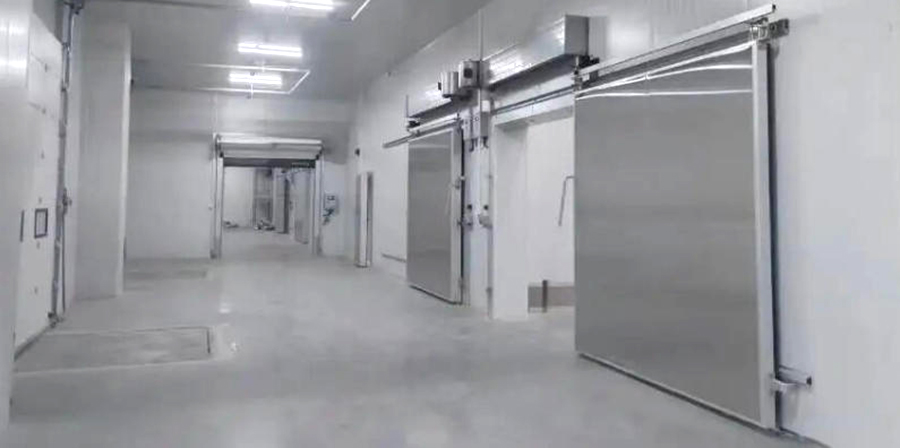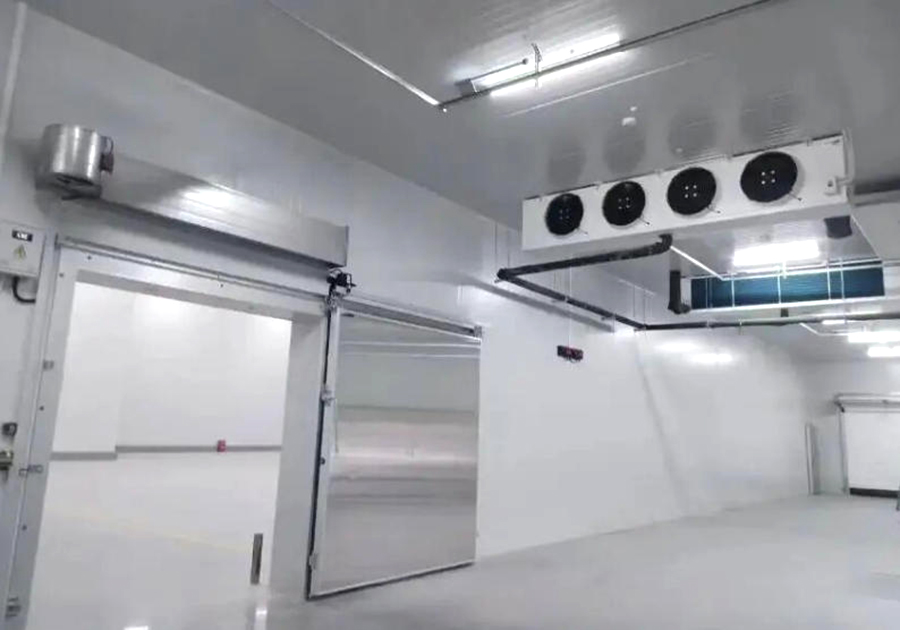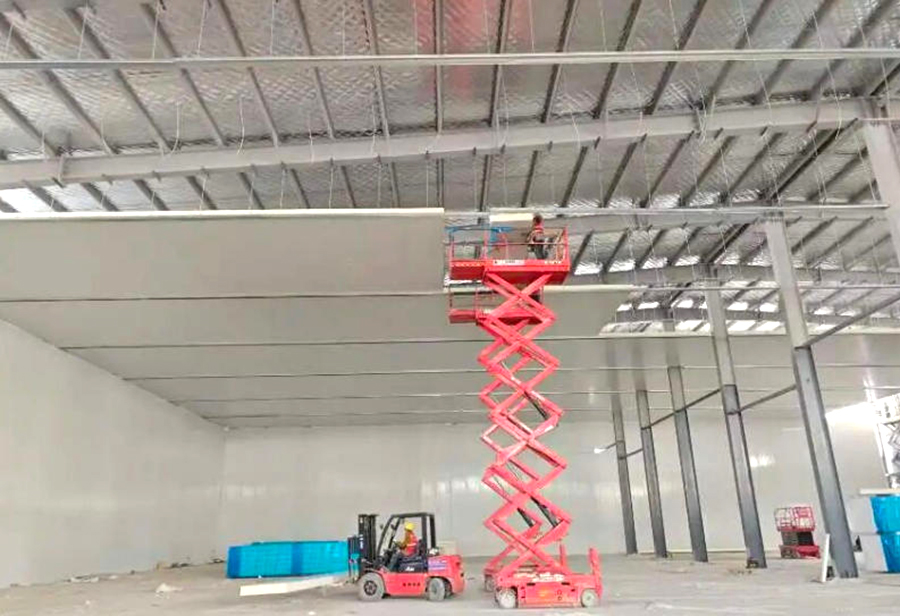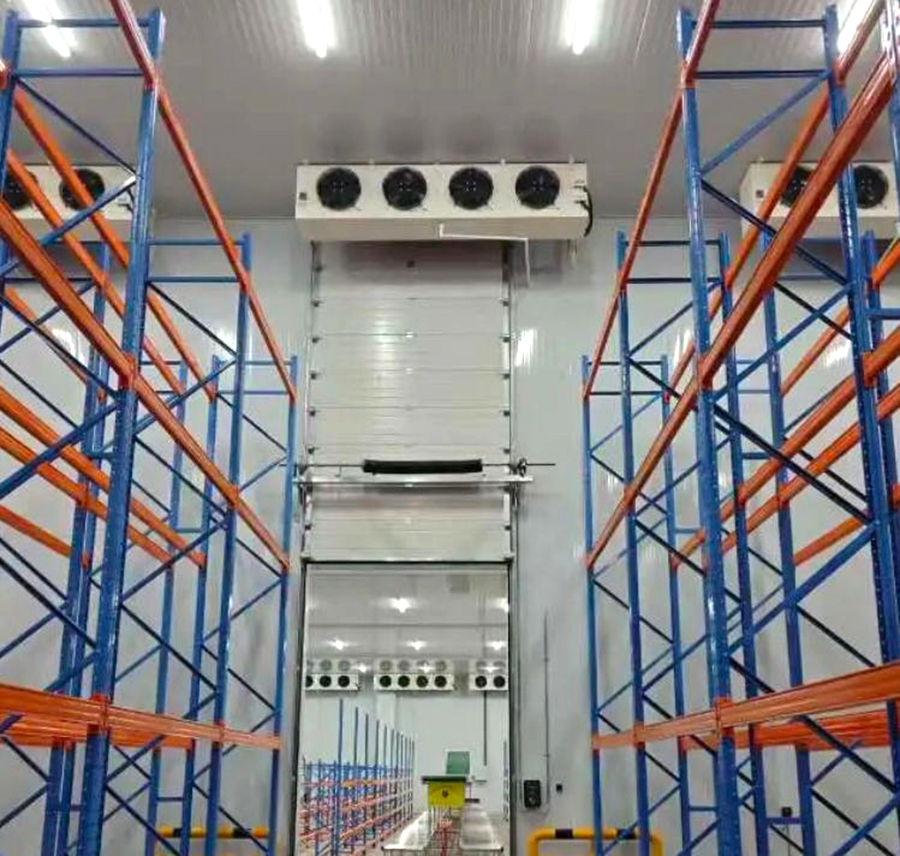

When planning to build a cold storage facility, it is essential to first understand the different types available; selecting the right type ensures greater efficiency and better results. Cold storage facilities are classified below based on temperature range, purpose, stored products, usage scenarios, and structural design to help you identify the best fit for your needs.
I. Classification by Temperature Range
1. High-Temperature Cold Storage (Fresh-Keeping Storage)
|
Temperature |
0°C to +8°C |
|
Function |
Preserving freshness, delaying fruit and vegetable ripening, short-term storage of meat |
|
Suitable for |
Vegetables, fruits, eggs, flowers, tea, soy products, deli foods, beverages |
|
Features |
High humidity, no freezing, maintains freshness |
2. Medium-Temperature Cold Storage (Refrigerated Storage)
|
Temperature |
-10°C to -18°C |
|
Function |
Long-term refrigeration, inhibiting bacterial growth, short-term frozen storage |
|
Suitable for |
Pork, beef, lamb, seafood, quick-frozen semi-finished products, dairy products |
|
Features |
Goods freeze solid; storage duration of 1–6 months |
3. Low-Temperature Cold Storage (Freezer Storage)
|
Temperature |
-20°C to -25°C |
|
Function |
Deep freezing, long-term storage |
|
Suitable for |
Frozen meat, frozen seafood, dumplings, glutinous rice balls, ice cream, ready-to-cook meals |
|
Features |
Long shelf life (6 months to 1 year) |
4. Ultra-Low Temperature Cold Storage (Flash-Freezing/Deep-Freeze Storage)
|
Temperature |
-30°C to -60°C |
|
Function |
Rapid flash-freezing, ultra-low temperature preservation, storage of biological reagents |
|
Suitable for |
Seafood flash-freezing, salmon, tuna, premium sashimi, seeds, microbial cultures, blood plasma, specialized pharmaceuticals |
|
Features |
Rapid cooling, preserves cell integrity, superior quality retention |
II. Detailed Classification by Function/Use
1. Fruit and Vegetable Preservation Cold Storage
Designed for fruits and vegetables; controls temperature and humidity to prevent moisture loss and spoilage, thereby extending shelf life.
2. Meat Freezing Storage
Used by slaughterhouses, meat processing plants, and wholesale markets to store frozen pork, beef, mutton, chicken, and duck.
3. Seafood Cold Storage
Categorized into fresh-keeping, refrigerated, and quick-freezing zones; suitable for fish, shrimp, crabs, and shellfish to prevent spoilage and dehydration.
4. Pharmaceutical Cold Storage (GSP-Compliant)
Strictly compliant with regulations; categorized into cool storage, refrigerated storage, and reagent storage:
• Cool storage: ≤20°C
• Pharmaceutical refrigeration: 2–8°C
• Reagent/plasma storage: Below -20°C
Used for vaccines, reagents, biological agents, and prepared Traditional Chinese Medicine (TCM) herbs.
5. Quick-Freezing Storage
Rapidly freezes food products through to the core to lock in moisture and nutrients; commonly found in food processing plants.
6. Logistics/Distribution Cold Storage (Cold Chain Storage)
Used for transit, distribution, and sorting; features frequent stock turnover and is equipped with buffer zones and loading docks.
7. Explosion-Proof Cold Storage
Dedicated to chemical raw materials and flammable/explosive reagents; features explosion-proof electrical components for maximum safety.
8. Controlled Atmosphere (CA) Cold Storage (High-End Preservation)
Regulates oxygen and carbon dioxide levels to extend storage life by 2–3 times compared to standard preservation storage; commonly used for premium and imported fresh fruits.
9. Small-Scale Residential/Commercial Cold Storage
Used by convenience stores, restaurants, and fresh food shops; compact size with stable temperature control.
III. Classification by Structural Form
1. Modular (Prefabricated) Cold Storage: Assembled from insulation panels; quick to install and easy to disassemble/relocate; the preferred choice for small to medium-sized facilities.
2. Civil Construction Cold Storage: Features reinforced concrete walls with internal insulation layers; designed for large-scale, long-term, fixed use.
3. Sandwich Panel Portable Cold Storage: Relocatable units suitable for temporary storage needs.
IV. Classification by Size
1. Micro cold storage: Under 10 m³; for small shops and household use.
2. Small-scale cold storage: 10–100 m³; for fresh food shops and restaurants.
3. Medium-scale cold storage: 100–1,000 m³; for wholesale markets and processing plants.
4. Large-scale cold storage: Over 1,000 m³; for cold chain parks and logistics centers.
V. Classification by Specialized Function
1. Buffer room: Connects the exterior to the cold storage area; minimizes cold air loss when doors are opened and prevents frost formation.
2. Pre-cooling room: Lowers product temperature before storage; protects the cold storage facility and extends product shelf life.
3. Thawing room: Allows for slow, temperature-controlled thawing; commonly used in meat processing.
4. Dehumidifying cold storage: Features humidity control to prevent frost and mold on goods.
Please select the cold storage facility that best meets your needs to avoid unnecessary costs or complications.
For more information needed or any inquiry,please feel free to contact Yumisteel team.
オンラインサービス
+86-592-6095031
manager@yumisteel.com
Alina_Yuki
+8613559086380
+8615860744964