
banner

業界ニュース

ホーム /ニュース /業界ニュース /

Rigid Tie Rods in Portal Frame Buildings

新製品

Rigid Tie Rods in Portal Frame Buildings

2026-06-29

Definition and Key Feature

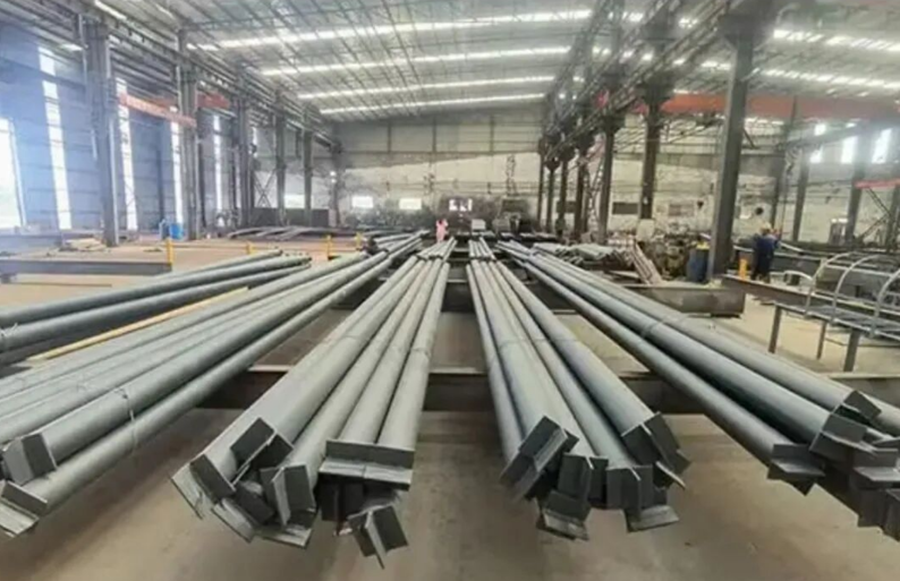
Rigid tie rods are longitudinal structural members that can resist both tension and compression, distinguishing them from flexible tie rods (e.g., round bars, cables, or wire ropes) which are tension-only. This dual capability makes them critical for force transmission in steel portal frame buildings.

Tie Rods

Mandatory Installation Locations

Rigid tie rods must be installed at the following positions:

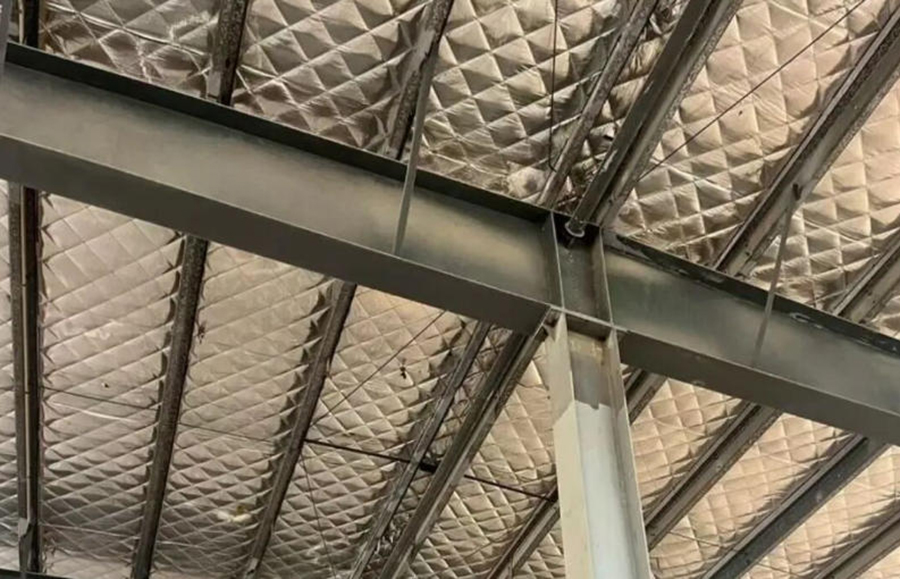
☆Frame inflection points – at the roof ridge and column tops (both external and internal), running continuously along the full building length.

☆Braced bays – at nodes of roof horizontal bracing and column bracing.

☆Ends of temperature zones – when bracing is placed in the second bay, the first bay must receive supplemental rigid tie rods at corresponding locations.

☆Crane beam elevations – in buildings with overhead cranes, longitudinal rigid tie rods are required continuously at this level.

Tie Rods Structural Function

Each temperature zone functions as an independent stable system. Braced bays are equipped with rigid tie rods, while intermediate bays may use flexible tie rods for lateral restraint.

The primary role of rigid tie rods is to collect and transfer longitudinal forces – including gable wind loads, seismic forces along the building axis, and crane-induced longitudinal loads – through the tie rods into the bracing system, and ultimately to the foundations. This clear load path ensures overall structural stability under horizontal actions.

In summary, proper placement of rigid tie rods is essential for safely transmitting longitudinal forces in portal frame buildings.

For more information needed or any inquiry,please feel free to contact Yumisteel team.

伝言を残す
当社の製品に興味があり、詳細を知りたい場合は、ここにメッセージを残してください、できるだけ早く返信します。

建築および土木工事の先駆者

33

積年の経験

 
伝言を残す 伝言を残す
当社の製品に興味があり、詳細を知りたい場合は、ここにメッセージを残してください、できるだけ早く返信します。