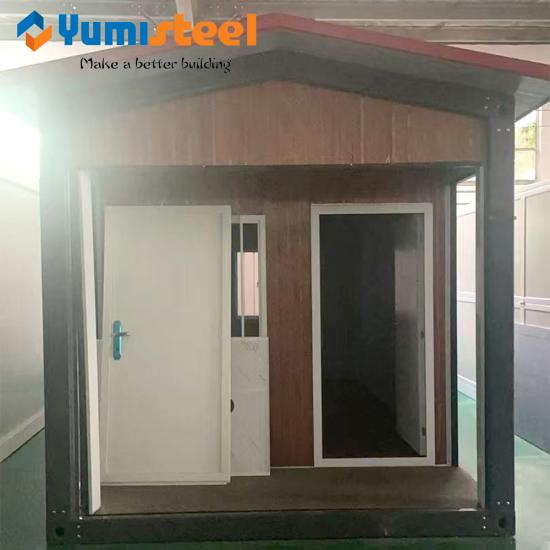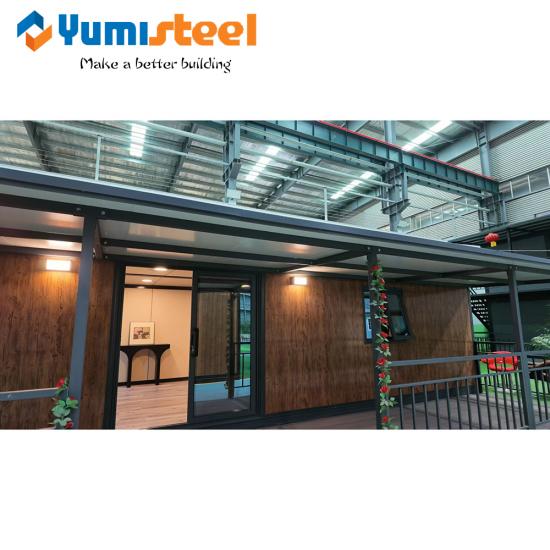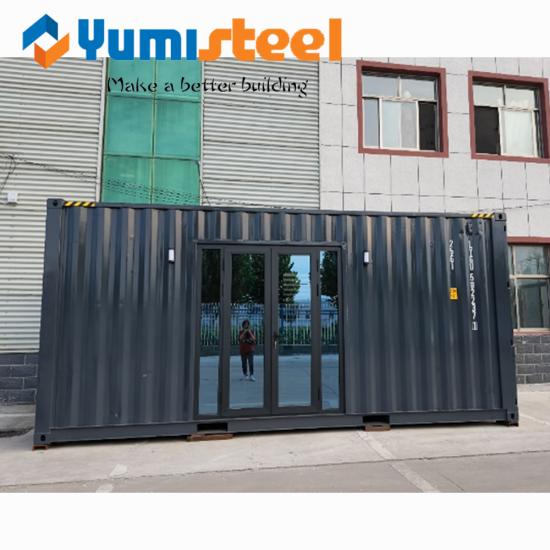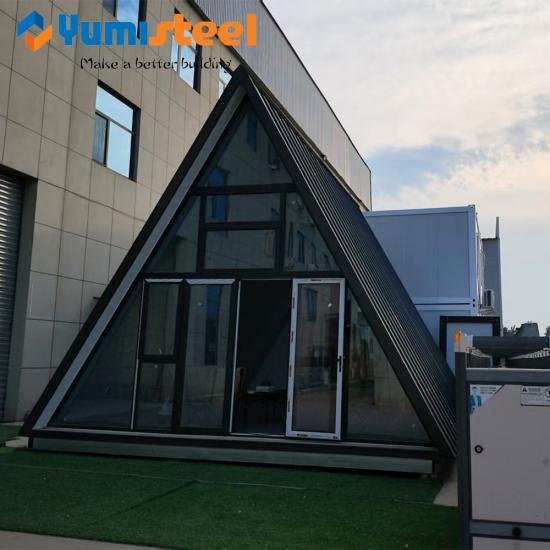

In today's wave of energy-saving and environmentally friendly construction, insulated sandwich panels, as a highly efficient building envelope material, are increasingly favored by the market. They are ubiquitous in industrial plants, large logistics warehouses, and cold chain facilities. With their excellent insulation performance and structural advantages, this material is redefining the standards of building energy conservation and becoming the preferred solution for an increasing number of projects.
What is an Insulated Sandwich Panel?
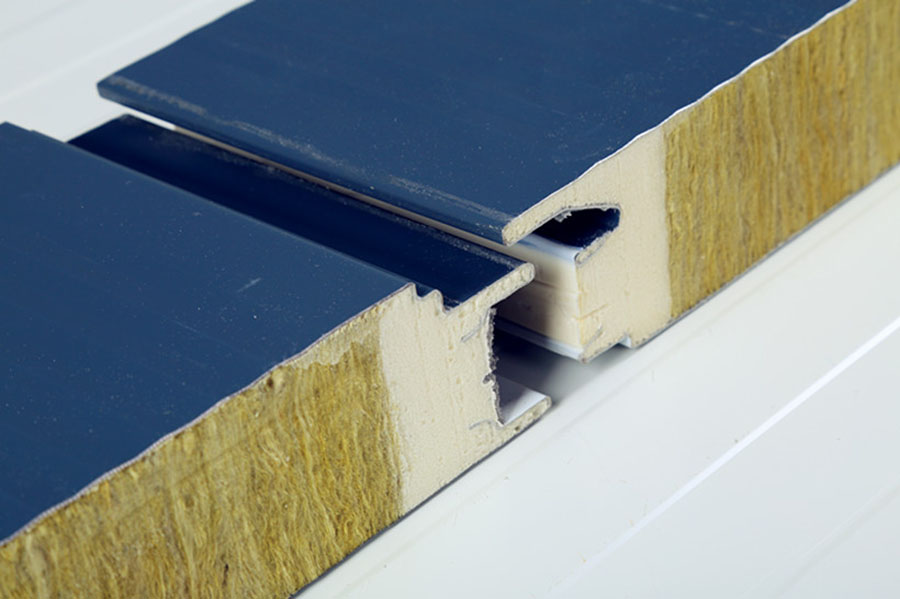
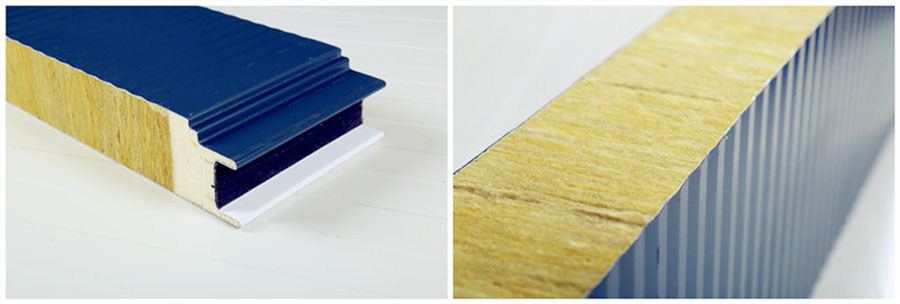
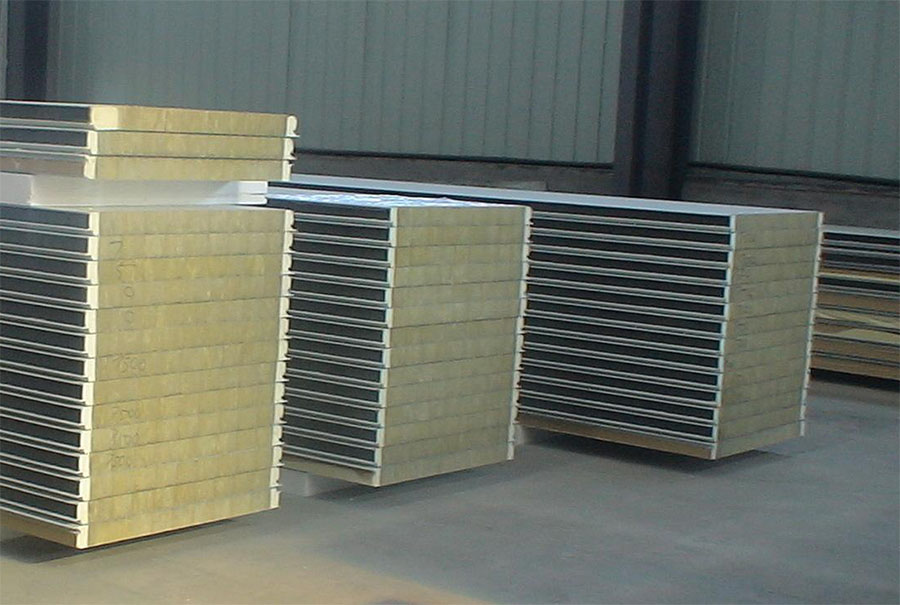
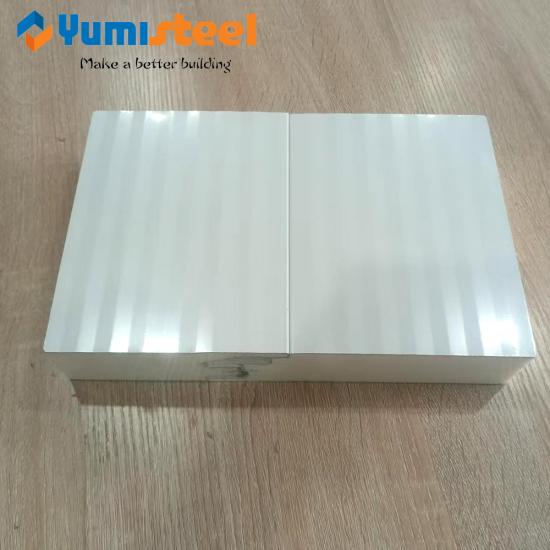
An insulated sandwich panel is a three-layer composite panel consisting of two high-strength metal facing layers (such as color-coated steel sheets or aluminum sheets) and a lightweight insulation core layer bonded together with a high-strength adhesive. This "sandwich" structure gives it both structural load-bearing capacity and thermal insulation functions. Common core materials include polyurethane (PU/PIR), polystyrene (EPS), and rock wool (mineral wool), which are firmly sandwiched between robust metal panels, forming an inseparable, collaborative whole system.
Why do sandwich panels have such high insulation performance?
☆Excellent Energy Efficiency
The insulation efficiency of sandwich panels stems from the perfect combination of their unique physical structure and materials science. The core material is mostly a closed-cell foam structure (such as PUR and PIR), which effectively traps still air and minimizes heat conduction and convection, resulting in an extremely low thermal conductivity (as low as 0.022 W/m·K). This structure acts like a high-performance "insulation coat" for the building, significantly reducing heat loss from the interior in winter and heat intrusion from the outside in summer, thereby reducing the load on the HVAC system and helping businesses significantly reduce energy costs and carbon footprint.
☆Outstanding Durability
In addition to its thermal insulation performance, insulated sandwich panels also boast extremely high structural durability. The outer metal panel undergoes a special coating treatment, possessing excellent weather resistance and corrosion resistance, resisting erosion from various environmental factors such as ultraviolet rays, acid rain, and mechanical impact. This robust exterior protects the internal core material from damage, allowing the panels to maintain a service life of up to decades even in harsh industrial environments, with almost no need for frequent maintenance, greatly reducing the building's total life cycle cost.
☆Highly Versatile
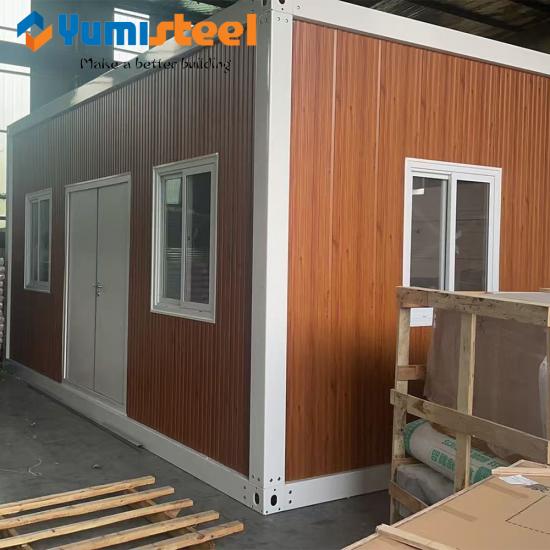
Insulated sandwich panels also meet diverse needs with their excellent versatility. These panels can be used in a wide range of projects, from small cold storage facilities and agricultural greenhouses to large, high-rise commercial buildings. The metal panels offer a rich selection of colors and molding options (such as corrugated, flat, or slightly wavy), easily matching the facade designs of different buildings and achieving a balance between function and aesthetics. Whether it's a modern office building or a practical factory, a suitable solution can be found.
In conclusion, insulated sandwich panels are not only a building material but also a strategic choice for achieving building energy conservation. They combine high-efficiency insulation, structural strength, convenient construction, and aesthetic design. While fire resistance ratings (such as rock wool core material) and cost-effectiveness should be considered based on specific project requirements, their significant advantages in reducing operating costs and shortening construction cycles make them an irreplaceable and ideal solution for modern industrial and commercial buildings.
For more information needed or any inquiry,please feel free to contact Yumisteel team.
オンラインサービス
+86-592-6095031
manager@yumisteel.com
Alina_Yuki
+8613559086380
+8615860744964