
多くの新参者は屋根を想定する 母屋 壁母屋と壁母屋は基本的に同じものです。どちらも母屋と呼ばれていますから。しかし、設計ロジック、荷重経路、詳細設計の要件は全く異なります。表を使って分かりやすく説明しましょう。
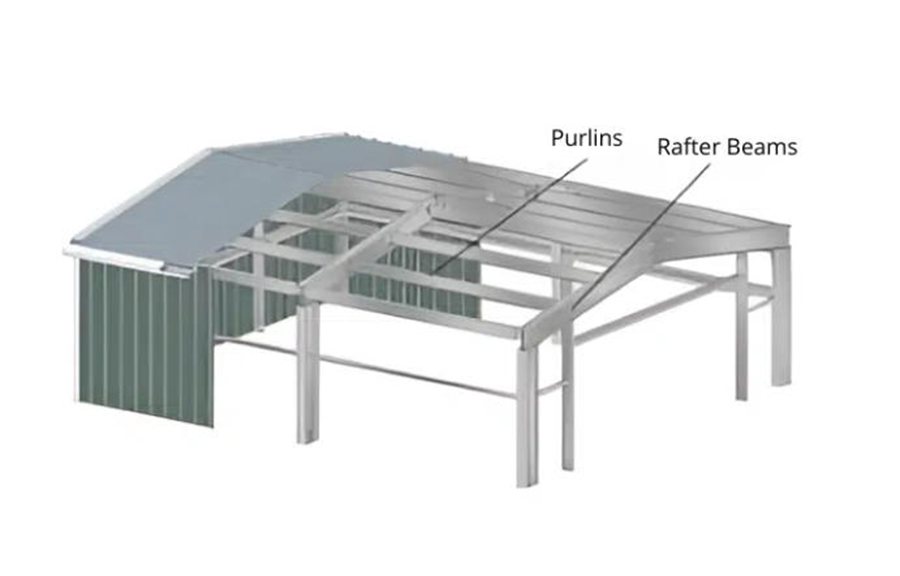
☆ 根本的な違い:一方は「重力」に抵抗し、もう一方は「風」に抵抗する
|
比較 |
屋根母屋 |
壁母屋 |
|
主な負荷 |
垂直荷重(積雪荷重、自重荷重、建設荷重) |
水平風荷重(圧力/吸引力) |
|
負荷時の挙動 |
主に荷重を支える構造。下部フランジは風圧による持ち上げ力で座屈する可能性がある。 |
曲げやせん断に抵抗し、水平方向の力を制御する。 |
|
典型的なシナリオ |
積雪荷重、風による持ち上げ |
風圧と吸引力 |
☆ セクションの選択:片方はより重いセクションが必要で、もう片方はより軽いセクションでも構いません
|
比較 |
屋根母屋 |
壁母屋 |
|
共通セクション |
C形鋼、Z形鋼(軽量で経済的。Z形鋼は連続梁の重ね継ぎが可能)、高周波溶接H形鋼(大スパン用) |
主にC型断面(壁パネルの接続が容易);大スパン/高風圧用途にはH型断面 |
|
選択ロジック |
スパンまたは積雪荷重が大きいほど、断面は高くなり、ウェブは厚くなります。 |
風圧ゾーンによって間隔と断面が決定され、一般的に屋根母屋よりも小さくなります。 |
重要なヒント: 屋根母屋には、C形鋼よりもZ形鋼の方が経済的です。Z形鋼は支持部で重ね継ぎ(重ね継ぎ長さはスパンの10%以上、適切なボルト締め)することで連続梁を形成できるからです。理想的な重ね継ぎ条件であれば、単純支持梁に比べて曲げモーメントを30~40%低減できます。実際のプロジェクトでは、接合部の滑りを考慮し、保守的な設計として通常10~20%の低減が用いられます。
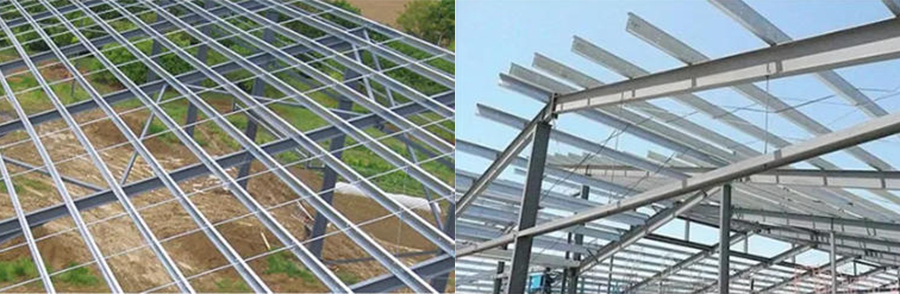
☆重要な詳細:屋根には「二重のタイ」が必要、壁には「柱」が必要
|
比較 |
屋根母屋 |
壁母屋 |
|
重要な詳細 |
上下フランジに二重のたわみ止め棒を配置し、さらにニーブレース(梁の下フランジを母屋に接続する)を取り付ける。 |
単列の垂れ下がり防止棒+壁柱の連携+開口部の補強 |
|
なぜ |
風圧による持ち上げ力によって、下部フランジは圧縮状態になります。下部サグロッドがないと、まるで曲がった人を持ち上げているようなもので、座屈しやすい状態になります。 |
風の影響を受ける広い壁面には、荷重を分担するための壁柱が必要であり、開口部は弱点となるため、より密度の高い部材が必要となる。 |
☆異なるデザインチェックの優先順位
|
比較 |
屋根母屋 |
壁母屋 |
|
鍵の確認 |
風による揚力(下部フランジ)と垂直方向のたわみに対する全体的な安定性 |
水平風荷重および水平方向のたわみに対する強度と安定性 |
|
たわみ制限 |
垂直方向:L/150(天井なし)、L/200(天井あり) |
水平方向:通常L/150(特別な要件に応じてL/200まで締め付けることも可能) |
☆設置手順:まず屋根、次に壁
正しい手順:まず屋根母屋を取り付けて安定した空間フレームを形成し、次に壁母屋を取り付けます。壁母屋は屋根母屋システムに依存して、一体型の耐風システムを構築します。
☆表1つにまとめ
|
比較 |
屋根母屋 |
壁母屋 |
|
一次負荷 |
垂直方向(雪、自重) |
水平方向(風圧) |
|
共通セクション |
Z、C、H |
主にC |
|
重要な詳細 |
ダブルサグロッド、ニーブレース |
単体の垂れ下がり防止棒、壁柱、開口部の補強 |
|
デザインに焦点を当てる |
揚力安定性、垂直方向のたわみ |
強度、水平方向のたわみ |
|
たわみ制御 |
垂直方向:L/150(天井なし)、L/200(天井あり) |
水平: L/150 |
|
腐食防止 |
どちらの場合も、湿潤/腐食環境下では65μm以上の溶融亜鉛めっきが必要です。 |
どちらの場合も、湿潤/腐食環境下では65μm以上の溶融亜鉛めっきが必要です。 |
|
インストール手順 |
初め |
後で |
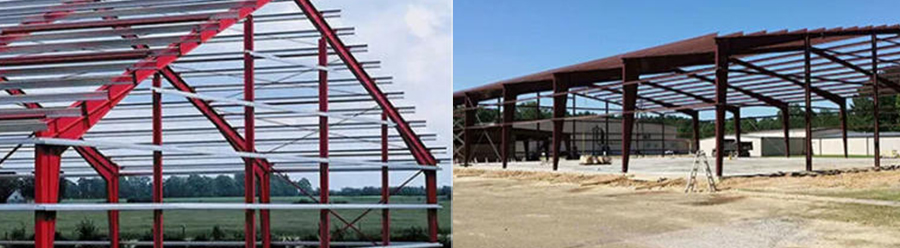
要するに、屋根母屋と壁母屋は見た目は似ているものの、荷重伝達機構、断面形状、構造の詳細は全く異なる。これらの違いをしっかりと理解することで、設計ミスを防ぎ、スムーズな施工を実現できる。
さらに詳しい情報が必要な場合やご質問がある場合は、お気軽にYumisteelチームまでお問い合わせください。



 オンラインサービス
 +86-592-6095031
 manager@yumisteel.com
 Alina_Yuki
 +8613559086380+8615860744964
 日本語
日本語 English
 русский
 español
 português