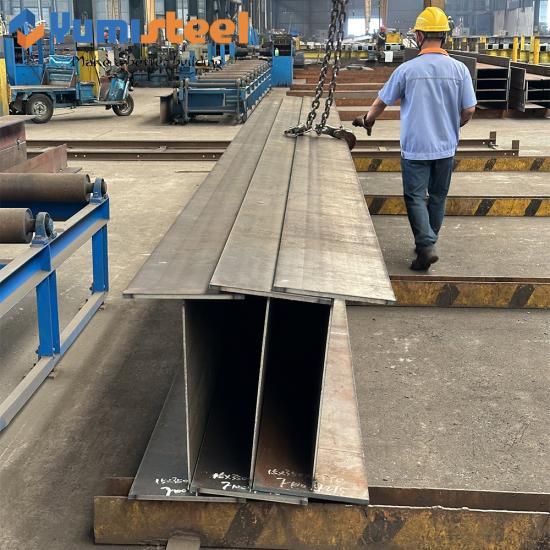

When selecting insulation panels for warehouses, cold storage, factories, or commercial buildings, two options often come up: PU sandwich panels and rock wool sandwich panels. Both offer solid performance, but they differ in insulation, fire resistance, cost, and typical applications. This article compares them side by side to help you make the right choice.
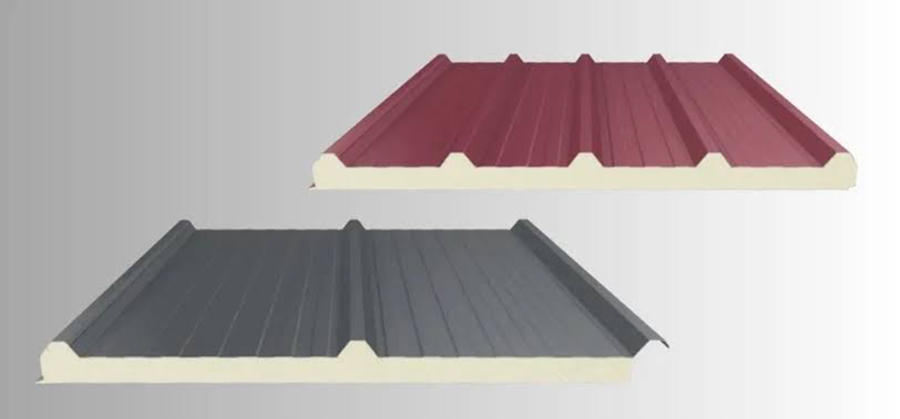
What Is a PU Sandwich Panel?
PU (Polyurethane) sandwich panels use a rigid polyurethane foam core bonded between two metal sheets. The foam has a closed-cell structure, which gives it excellent thermal insulation and low moisture absorption. PU panels are lightweight, easy to install, and widely used in cold storage, refrigerated warehouses, and food processing facilities.
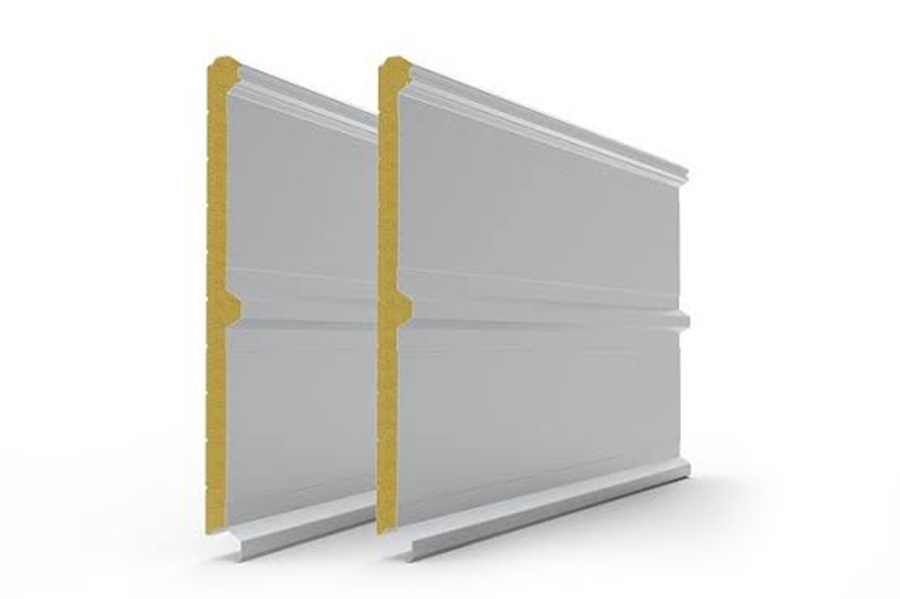
What Is a Rock Wool Sandwich Panel?
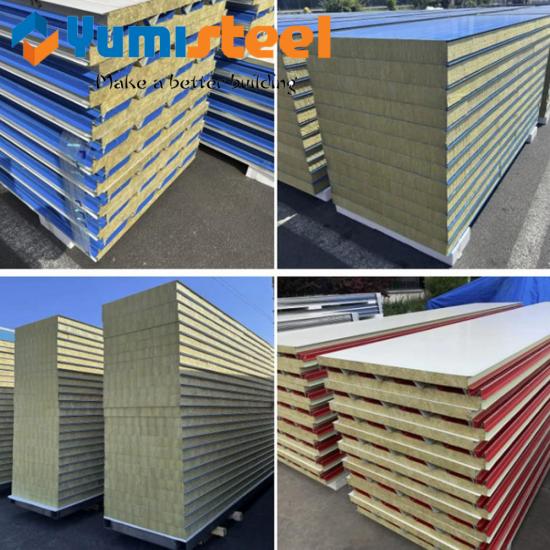
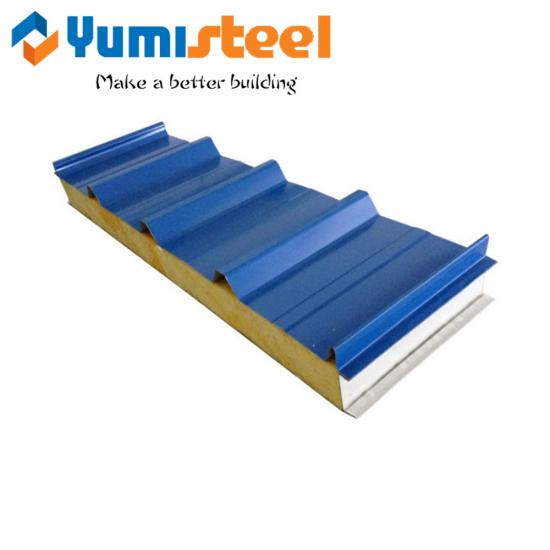
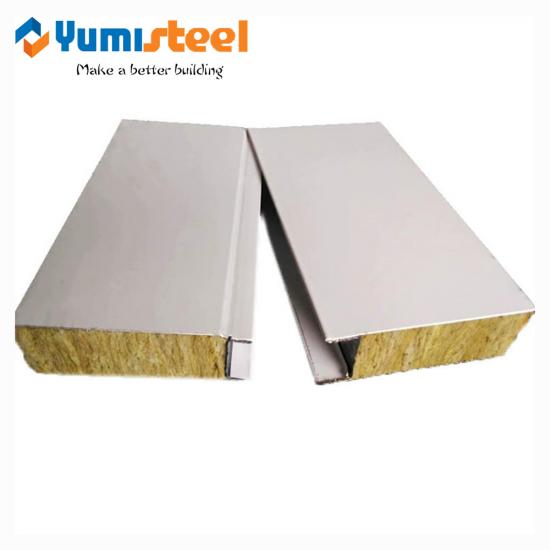
Rock wool sandwich panels use a core made from melted basalt and other minerals, spun into fibers and bonded into a dense board. The material is naturally non-combustible and performs well at high temperatures. Rock wool panels are heavier than PU panels but offer superior fire resistance, making them a common choice for factories, chemical plants, and buildings with strict fire codes.
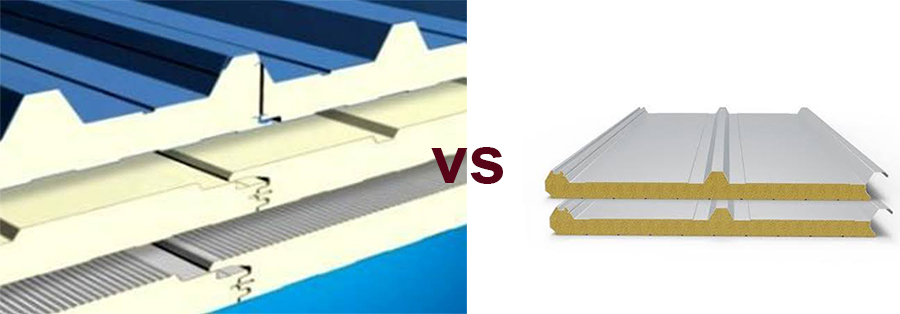
Insulation Performance
PU panels have a lower thermal conductivity, typically around 0.022 to 0.026 W/mK, compared to rock wool at roughly 0.040 to 0.045 W/mK. This means PU panels deliver better insulation with a thinner profile. For cold storage and energy-sensitive buildings, PU is usually the stronger option.
Fire Resistance
Rock wool wins clearly here. It is non-combustible and can withstand temperatures above 1000°C, earning an A-grade fire rating. PU panels are combustible and typically reach B1 or B2, depending on formulations and additives. If fire safety is the top priority, rock wool is the safer choice.
Weight and Installation
PU panels are lighter, which makes handling and installation faster and less labor-intensive. Rock wool panels are denser and heavier, so they require more careful handling and sometimes additional structural support. However, both types are prefabricated and install quickly compared to traditional construction methods.
Moisture and Durability
PU foam has a closed-cell structure that resists water absorption well, which helps maintain insulation performance in humid or cold environments. Rock wool is more prone to moisture uptake if the panel seal is damaged, so proper installation and sealing are important. Both types offer good durability when manufactured and installed correctly.
Cost
PU panels are generally more affordable upfront, especially for projects that need high insulation values. Rock wool panels cost more due to raw material and production factors, but they may reduce insurance and fire protection costs in certain facilities.
Typical Applications
PU panels are common in cold storage, refrigerated warehouses, clean rooms, and food processing plants. Rock wool panels are preferred for factories, chemical plants, power stations, and any building with strict fire safety requirements.

Summary Comparison
|
Feature |
PU Sandwich Panel |
Rock Wool Sandwich Panel |
|
Core Material |
Rigid polyurethane foam |
Melted basalt fibers |
|
Thermal Conductivity |
0.022–0.026 W/mK |
0.040–0.045 W/mK |
|
Insulation Performance |
Excellent |
Good |
|
Fire Rating |
B1/B2 (combustible) |
A-grade (non-combustible) |
|
Fire Resistance |
Moderate |
Excellent |
|
Weight |
Light |
Heavy |
|
Moisture Resistance |
Strong |
Moderate |
|
Installation |
Fast, easy |
Slower, needs care |
|
Cost |
Lower |
Higher |
|
Application |
Cold storage, food processing |
Factories, chemical plants |
There is no universal winner between PU and rock wool sandwich panels. PU panels excel in insulation and lightweight installation, making them ideal for cold storage and energy-efficient buildings. Rock wool panels lead in fire safety and are the better fit for high-risk industrial environments. The right choice depends on your project's priorities, budget, and local fire regulations.
If you are still unsure which panel suits your building, consult a professional supplier who can review your specifications and recommend the most suitable solution.
For more information needed or any inquiry,please feel free to contact Yumisteel team.



 オンラインサービス
 +86-592-6095031
 manager@yumisteel.com
 Alina_Yuki
 +8613559086380+8615860744964
 日本語
日本語 English
 русский
 español
 português