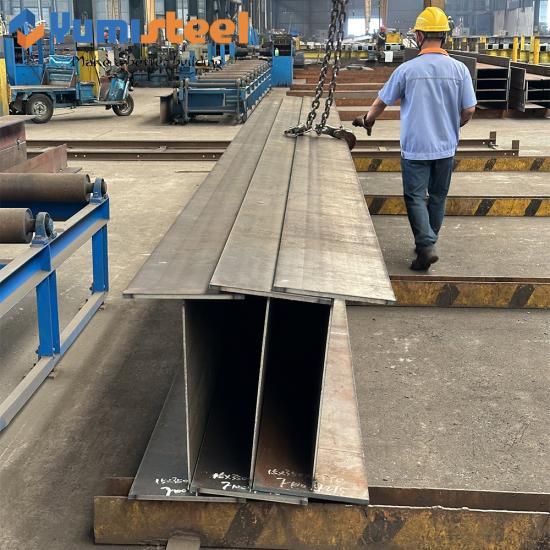

Choosing the right sandwich panels for industrial buildings is a decision that affects energy costs, fire safety, construction time, and long-term durability. With so many options on the market, it helps to focus on a few key factors before placing your order.
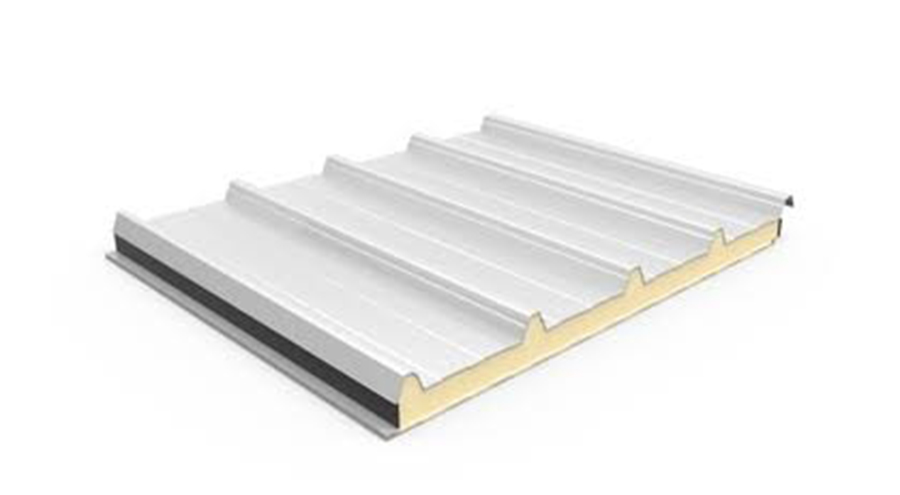
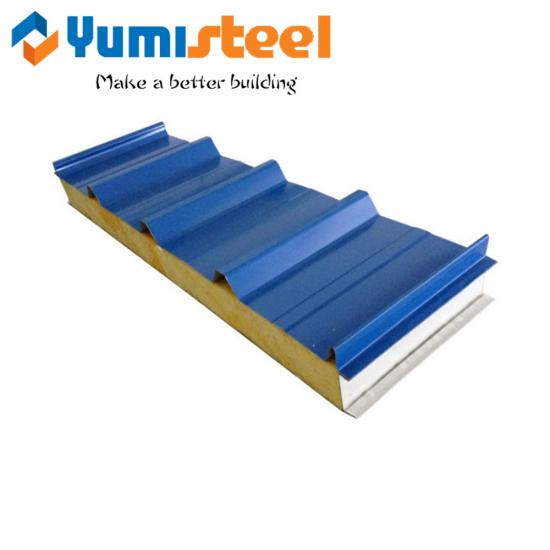
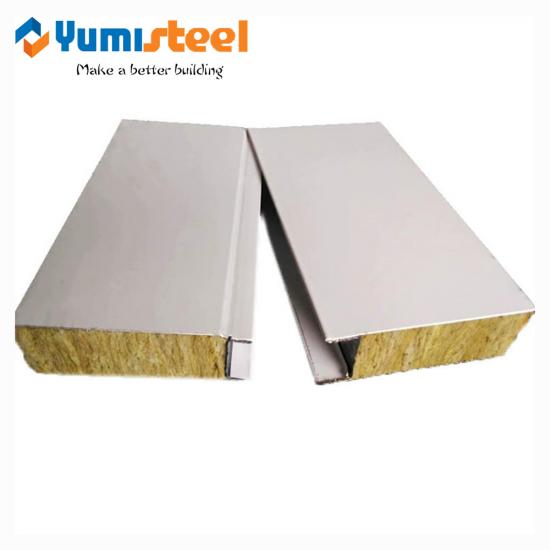
The core is what gives a sandwich panel its insulation performance. The three most common types are EPS, rock wool, and PIR.
EPS (Expanded Polystyrene) is the most affordable option. It offers decent thermal insulation and is lightweight, making it suitable for temperature-controlled warehouses and budget-conscious projects. However, its fire performance is limited.
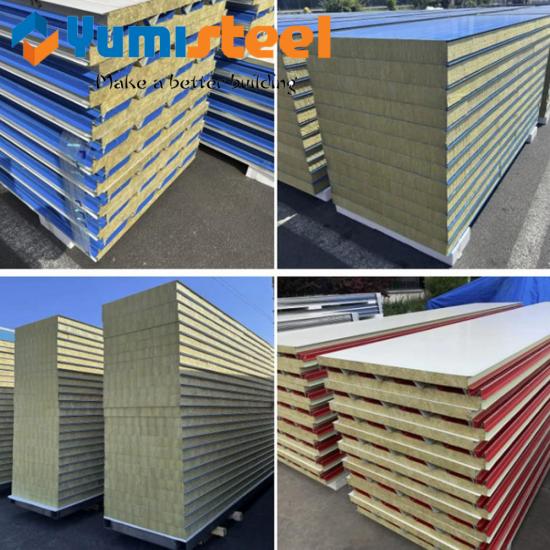
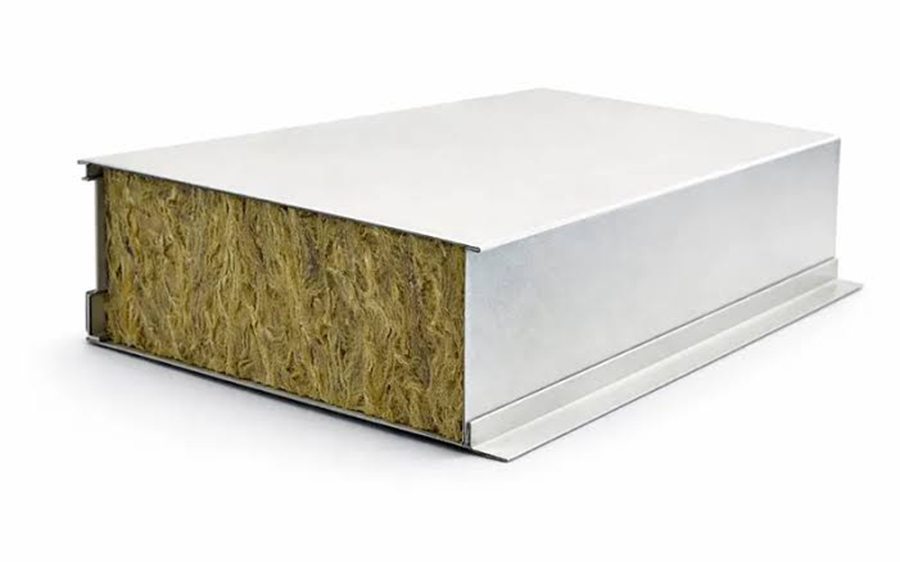
Rock Wool is the top choice for fire resistance. It is non-combustible and can withstand high temperatures, which makes it ideal for factories, chemical plants, and any building with strict fire codes. It is heavier and costs more, but the safety benefits often justify the price.
PIR (Polyisocyanurate) delivers excellent insulation with a better fire rating than EPS. It is a strong middle ground for cold storage, food processing facilities, and industrial buildings where energy efficiency matters.
Fire safety should never be an afterthought in industrial construction. Look for panels that meet local building codes and carry recognized fire certifications. Rock wool panels typically achieve A-grade non-combustible ratings, while PIR panels usually reach B1 or B2. If your building stores flammable materials or operates in a high-risk environment, always prioritize fire performance over cost.
Panel thickness directly affects insulation value. Thicker panels provide better thermal resistance but cost more and weigh more. For cold storage or temperature-sensitive facilities, 100mm to 150mm panels are common. For general industrial workshops in milder climates, 50mm to 75mm may be sufficient. Calculating your required U-value based on local climate and internal temperature will help you choose correctly.
The surface coating protects the panel from corrosion, moisture, and UV damage. For outdoor industrial applications, choose panels with a durable coating such as PVDF or HDP. Steel thickness typically ranges from 0.4mm to 0.8mm; thicker steel offers better structural strength and impact resistance but adds weight and cost.
Good panels are only part of the equation. A reliable supplier provides clear installation guidance, accurate lead times, and responsive technical support. For large industrial projects, prefabricated panels with precise dimensions save significant labor time and reduce waste on site.
There is no single best sandwich panel for every industrial building. The right choice depends on your fire requirements, insulation needs, budget, and climate. By weighing core material, fire rating, thickness, coating, and supplier quality, you can select panels that perform reliably for years.
If you are unsure which specification fits your project, consult a professional supplier who can recommend the right solution based on your building's specific needs.
For more information needed or any inquiry,please feel free to contact Yumisteel team.



 オンラインサービス
 +86-592-6095031
 manager@yumisteel.com
 Alina_Yuki
 +8613559086380+8615860744964
 日本語
日本語 English
 русский
 español
 português