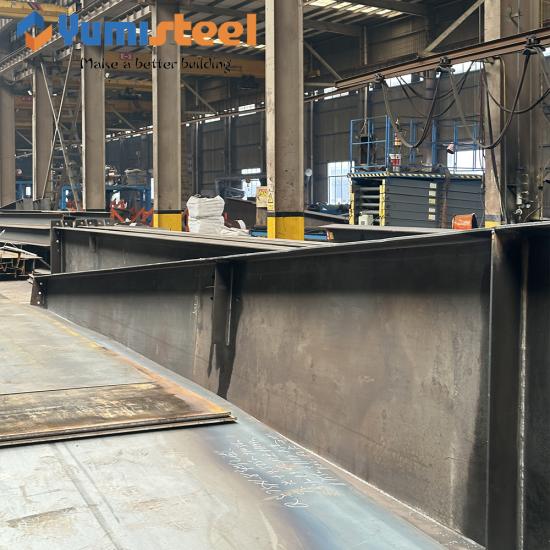

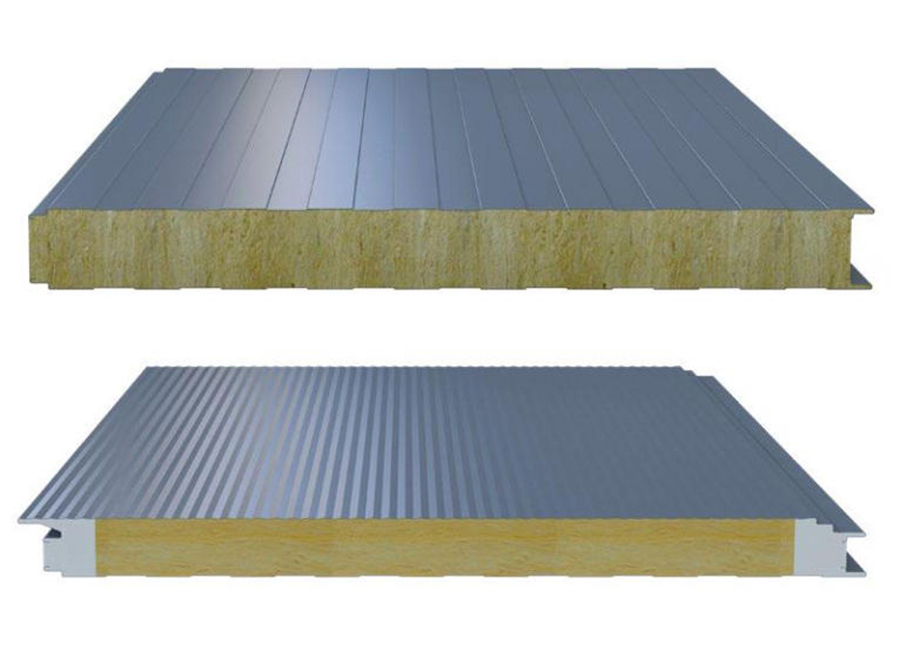
 鉄骨構造の倉庫は、その広いスパンと高い耐荷重能力から、産業用保管・物流分野で広く利用されています。しかし、金属材料は音波を透過しやすいため、稼働中の機械、フォークリフトの運転、貨物の衝突などによって発生する騒音は、周囲の環境を乱し、作業効率を低下させることがよくあります。ロックウールボードは、その独自の物理的特性により、鉄骨構造倉庫の遮音・防音材として理想的な選択肢として注目されています。
ロックウールパネルが遮音に効果的な理由とは?
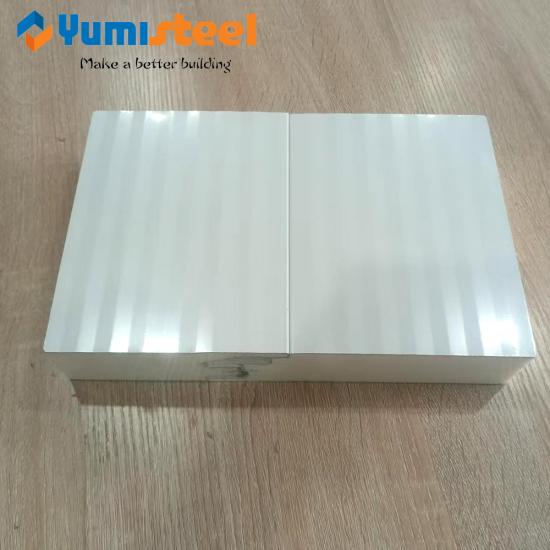
ロックウールボードは、玄武岩などの天然岩石を原料として製造されます。高温溶融および繊維化プロセスを経て、緻密でありながら多孔質の内部構造が形成されます。音波がこの材料に入ると、細孔内の空気分子が繊維と摩擦し、音響エネルギーを熱エネルギーに変換することで、騒音の伝達を効果的に遮断します。この二重の機能により、 吸音性と遮音性を兼ね備えている 特に鉄骨構造の建物や、音の伝達が大きな問題となる環境に適しています。
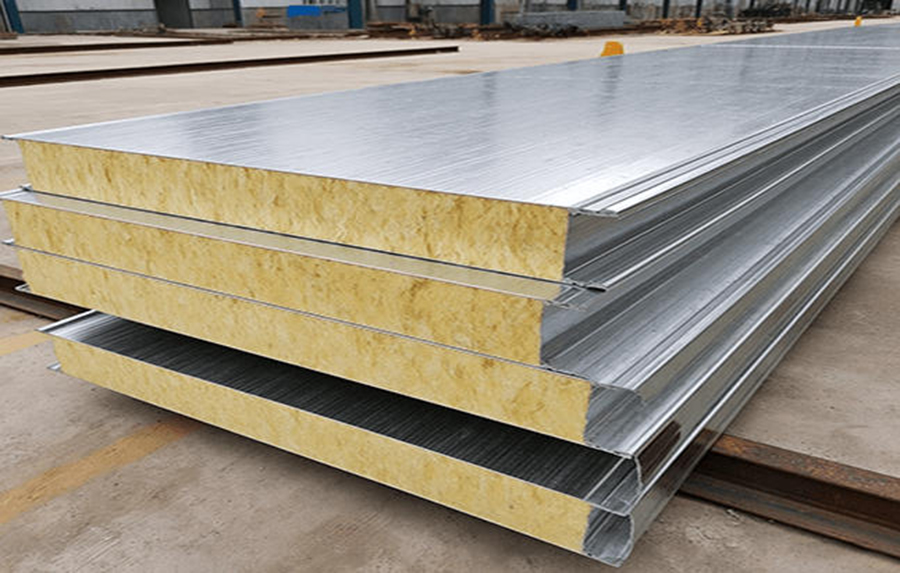 ロックウールパネルの遮音性における4つの主な利点
大幅な騒音低減
厚さ50mmのロックウールサンドイッチパネルを1枚使用するだけで、騒音レベルを15~25デシベル低減でき、騒々しい工業環境を一般的なオフィス並みの静けさに効果的に変えることができる。
クラスA耐火性
ロックウールは、融点が1000℃を超える不燃性素材です。EUのEN13501、米国のASTM E84、中国のGB 8624など、厳格な防火基準に適合しています。
卓越した耐久性
吸水率が1%未満であるため、湿気やカビに対する優れた耐性を備えています。無機繊維構造により害虫の侵入を防ぎ、20年以上の耐用年数を保証します。さらに、密度は80~150kg/m³と軽量でありながら高い耐久性を誇ります。 強さ そのため、フォークリフトの出入りが頻繁な倉庫に最適です。
環境への配慮と健康安全
ホルムアルデヒドやアスベストを含まないこの素材は、EUのREACHや米国のGREENGUARDなどの認証を取得しています。また、LEEDやBREEAMといったグリーンビルディング基準にも適合しています。
鉄骨倉庫において、ロックウール遮音材が最も必要とされるのはどのようなシナリオか?
|
倉庫の種類 |
騒音源 |
ロックウールが必要な理由 |
|
工業製造業 |
機械加工、プレス加工設備 |
作業員の聴覚を保護します |
|
物流輸送 |
フォークリフト、梱包作業員、トラックへの積み込み作業員 |
住民からの苦情を減らす |
|
仮設工事 |
建設活動 |
建設騒音を素早く低減します |
|
コールドチェーン |
冷凍機器 |
低温下でも遮音性と断熱性を維持します。 |
インストールガイド
選択 ロックウールパネル 騒音源の強度に応じて、厚さ50~100mmの遮音板を使用します(機器設置エリアには100mm、一般保管エリアには50mm)。専用のフレームシステムまたは接着剤を使用して、遮音板を鉄骨構造の壁または屋根に固定します。音漏れを防ぐため、すべての接合部をシーリング材で密閉します。外層は、カラー鋼板や石膏ボードなどの材料で仕上げることで、美観を高め、構造的な強度を強化することができます。
鉄骨構造の倉庫にとって、ロックウールパネルは単なる遮音材以上の存在です。安全性、耐久性、環境保護を兼ね備えたソリューションを提供します。内部騒音の低減、外部からの騒音の最小化、防火規制への対応など、どのようなニーズにも、ロックウールは非常に費用対効果の高いソリューションを提供します。
さらに詳しい情報が必要な場合やご質問がある場合は、お気軽にYumisteelチームまでお問い合わせください。



 オンラインサービス
 +86-592-6095031
 manager@yumisteel.com
 Alina_Yuki
 +8613559086380+8615860744964
 日本語
日本語 English
 русский
 español
 português