banner

産業ブログ

ホーム /

産業ブログ

/

Single-slope Roof VS Double Slope Roof

Single-slope Roof VS Double Slope Roof

11 Dec 2025

In industrial construction, the choice between a single-slope roof and a double slope roof is a fundamental decision impacting facility design and performance. These structural forms offer distinct advantages for functionality and cost-efficiency, directly addressing critical factors like climate adaptation, material use, and spatial logistics. This analysis explores the key applications and considerations for single-slope versus double-slope roof systems in modern industrial buildings.

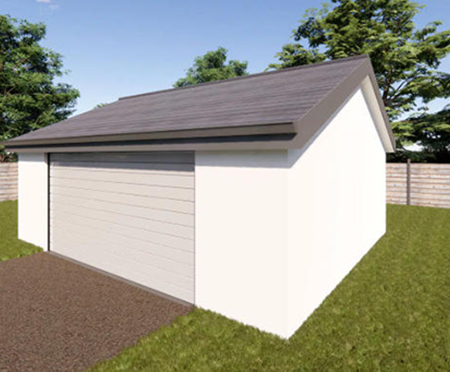
Single-slope Roof House

Single-slope Roof

Definition

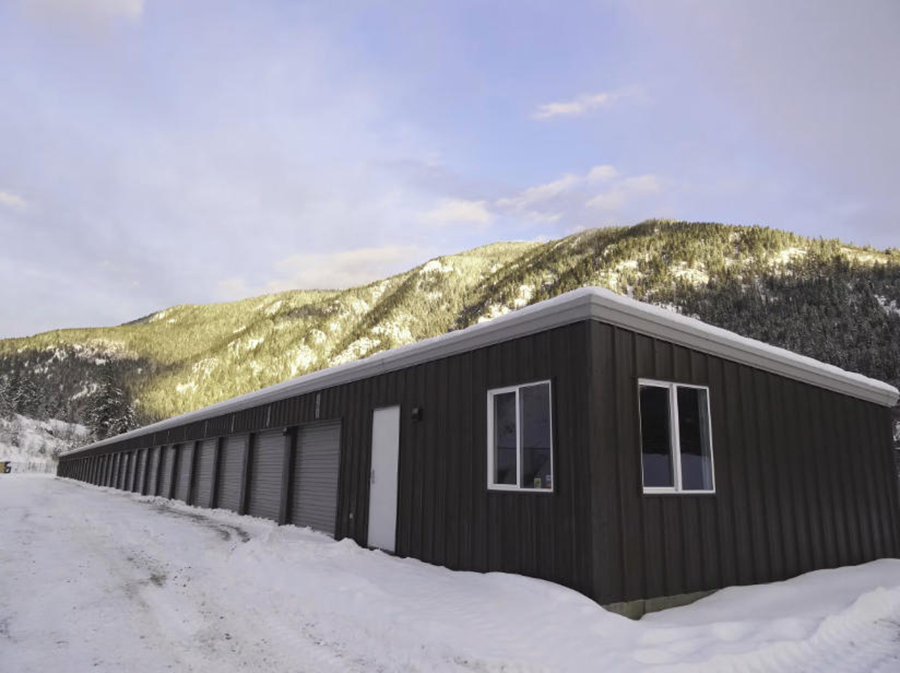
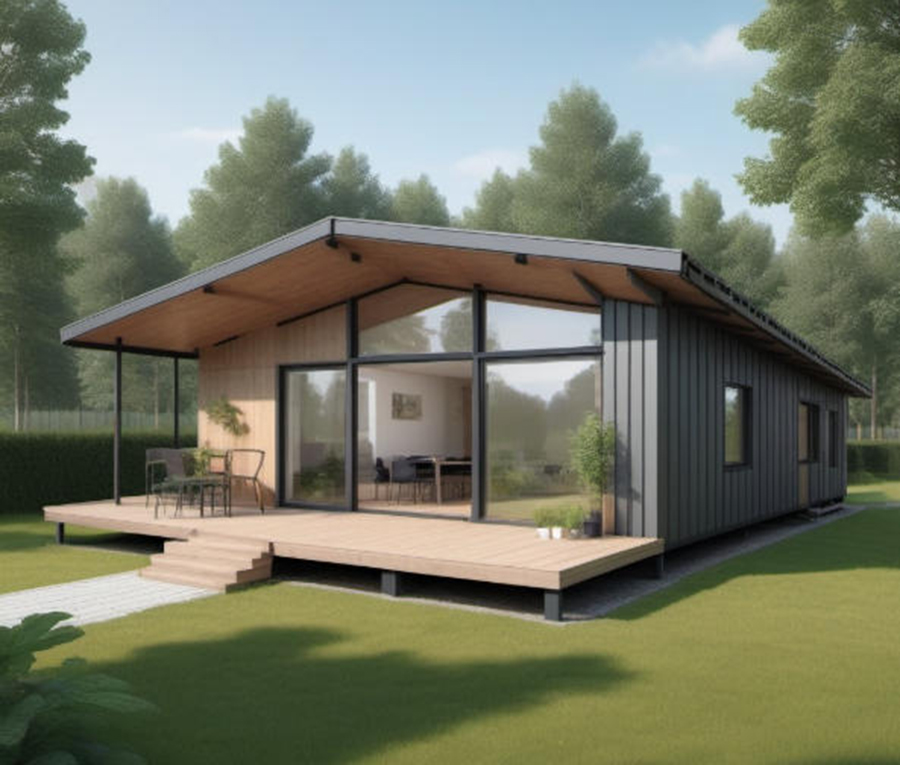
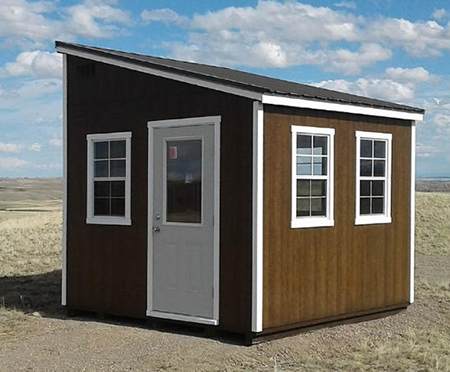
A single-slope roof, also known as a shed roof, is a simple roofing system where the surface slopes in one direction from a higher wall to a lower one. Typically constructed with primary structural members like beams or trusses supporting a cladding deck, it provides efficient drainage, cost-effective construction, and adaptable clear span for industrial or commercial buildings.

Advantages

High Space Utilization

A single-slope roof eliminates dual eaves obstruction, maximizing usable horizontal wall space. This allows for direct installation of large equipment or continuous skylights on the tall gable side, enhancing interior layout flexibility and natural lighting.

Lower Construction Cost

This design requires only single-side purlins and a simplified drainage system. Compared to a double-slope roof, it reduces structural steel usage by approximately 15%-20%, offering significant material and labor cost savings.

Clean Aesthetic & Modern Style

Its simple, streamlined form is a hallmark of modern industrial architecture. The single-slope profile is well-suited for technology parks and campuses with strict aesthetic guidelines, providing a visually sleek and contemporary appearance.

Disdvantages

Limited Drainage Efficiency

With only a single drainage slope, this roof design has lower drainage capacity and is prone to water accumulation in heavy rainfall regions, increasing the risk of leaks and water damage over time.

Potential Need for Wind Reinforcement

The tall gable wall often requires additional structural reinforcement, such as diagonal steel bracing, to prevent deformation under strong winds, especially in typhoon-prone areas like the Philippines.

Application

Single-slope roofs are ideal for arid industrial zones like Middle Eastern petrochemical plants, with under 100mm annual rainfall, reducing material use. They suit large-span storage in Texas grain warehouses, enabling wide access doors. Modular designs allow quick expansion in Southeast Asian electronics factories. However, low drainage efficiency limits use in rainy regions, and gable reinforcement is essential in high-wind areas like the Philippines.Single-slope roofs are ideal for arid industrial zones like Middle Eastern petrochemical plants, with under 100mm annual rainfall, reducing material use. They suit large-span storage in Texas grain warehouses, enabling wide access doors. Modular designs allow quick expansion in Southeast Asian electronics factories. However, low drainage efficiency limits use in rainy regions, and gable reinforcement is essential in high-wind areas like the Philippines.

Double Slope Roof House

Double Slope Roof

Definition

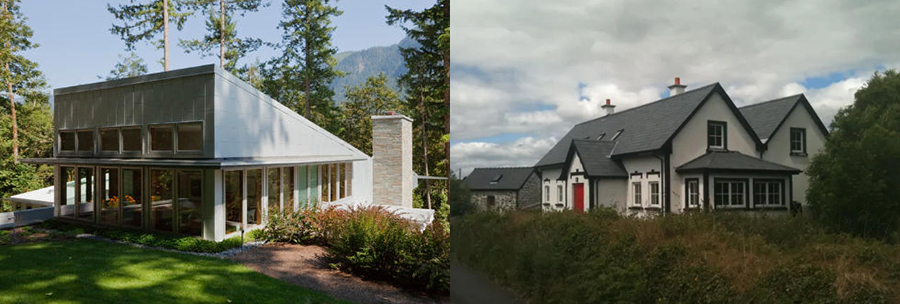
A Double Slope Roof, also known as a gable roof, is a symmetrical roof design formed by two opposing sides pitched at equal angles, typically between 25°-30° for industrial buildings. This classic, stable structure provides efficient dual-direction water drainage, a large internal volume for a clear span, and robust structural integrity for long-term performance.

Advantages

Superior Drainage Efficiency

A Double Slope Roof offers rapid, dual-sided water runoff, channeling rainwater effectively down both slopes. This design provides over 50% greater drainage capacity than a single-slope system in heavy rainfall regions, minimizing the risk of leaks or ponding.

Enhanced Structural Stability

This symmetrical roof structure features evenly distributed purlins and transmits loads through main steel columns on both sides. The balanced design delivers superior overall stability and improved resistance to wind uplift and seismic forces, especially in active zones.

Integrated Functionality

The sloped design of a double slope roof allows seamless integration of functional elements. Light strips for natural illumination and roof ventilators for heat dissipation can be installed along the slopes, combining operational efficiency with worker comfort.

Disdvantages

Higher Material and Construction Cost

The double slope roof structure requires more trusses, purlins, and roofing materials compared to a single-slope design, leading to increased initial construction costs and a longer, more complex installation timeline.

Limitations for Gable-Side Access and Modular Expansion

The symmetrical design restricts the placement of large access openings on the gable ends, which can hinder logistics. It is also less suited for modular, horizontal plant expansion compared to single-slope units that can be easily added side-by-side.

Application

Double slope roofis are ideal for demanding industrial applications. Its efficient drainage is crucial in rainy or snowy climates, as seen in European automotive plants. The stable structure supports heavy loads and high insulation standards, like in Japanese precision factories. It also easily integrates sustainable features such as rooftop solar panels for green building certifications.

Single-Slope Roof

Double-Slope Roof

Single-Slope Roof

Double-Slope Roof

Best for dry climates (low rainfall)

Superior for rainy/snowy climates

Uses less material, lowering cost

Efficient two-sided drainage prevents leaks

Allows large openings on the high side

Creates a symmetrical, stable structure

Easy to expand modularly

Ideal for wide spans and clear interior space

Needs gable wall reinforcement against wind

Generally higher material and construction cost


Single-slope Roof VS Double Slope Roof

Ultimately, the choice between a single-slope and double slope roof depends on your specific climate and operational needs. Prioritize a single-slope roof for cost-effective, modular designs in dry regions. Opt for a double slope roof where superior drainage, stability, and integration of sustainable features are paramount.

If you have any questionsplease contact the Yumisteel team for tailored solutions!Thank you!

ホットタグ :
伝言を残す
当社の製品に興味があり、詳細を知りたい場合は、ここにメッセージを残してください、できるだけ早く返信します。

建築および土木工事の先駆者

32

積年の経験

 
伝言を残す 伝言を残す
当社の製品に興味があり、詳細を知りたい場合は、ここにメッセージを残してください、できるだけ早く返信します。